

الكتب المتبناة
Sixth Edition
1425 AH - 2004 CE
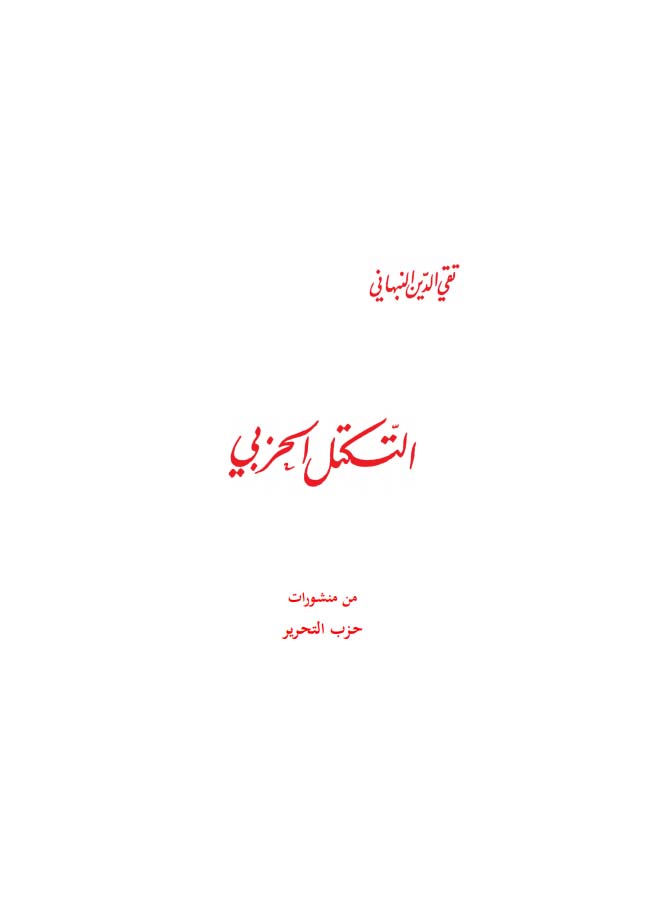
The Economic System of Islam
Taqiuddin an-Nabhani
This is a glimpse into the foundations upon which the capitalist economic system is based, and the foundations upon which the socialist, and thus communist, economic system is based, with a brief indication of the falsehood and corruption in these foundations. This is from one perspective. From another perspective, it contradicts the Islamic method of addressing problems and is contrary to Islam. As for its contradiction of the Islamic method of addressing problems, the Islamic way of dealing with economic problems is the same as its way of dealing with every human problem, which is to study the reality of the economic problem, understand it, and then derive a solution to the problem from the Sharia texts after studying these texts and ensuring their applicability to it. This is in contrast to the economic rulings and treatments in capitalism and socialism. In capitalism, the treatments are taken from the reality of the problem after studying it, and in socialism, they are taken from theoretical assumptions that are imagined to exist in the problem, and the treatment is based on these assumptions. Each of these two methods contradicts the Islamic method, so it is not permissible for a Muslim to adopt it.
As for the contradiction of the capitalist and socialist, and thus communist, economy with Islam, it is because Islam only takes its treatments as Sharia rulings, derived from Sharia evidence, and these capitalist and socialist economic treatments are not Sharia rulings, but are from the system of disbelief. Judging things by them is judging by other than what God has revealed, and it is not permissible for a Muslim to adopt them in any way. Taking them is sinful if the taker does not believe in them, but if he believes that they are the correct rulings, and that the rulings of Islam do not suit the modern era, nor do they treat modern economic problems, then that is disbelief, God forbid.
Table of Contents
1.
Opening Verse
2.
Introduction
3.
Introduction to the Economic System
4.
The Economy
5.
The Basis of the Economic System
6.
Islam's View of the Economy
7.
The Policy of the Economy in Islam
8.
General Economic Rules
9.
Types of Ownership
10.
Individual Ownership
11.
Definition of Individual Ownership
12.
Meaning of Ownership
13.
Reasons for Owning Money
14.
The First Reason for Owning Money
15.
Work
16.
Reviving Dead Land
17.
Extracting What Is in the Earth
18.
Hunting
19.
Brokerage and Indication
20.
Speculation
21.
Sharecropping
22.
Hiring a Worker
23.
The Work of the Worker
24.
Defining Work
25.
Type of Work
26.
Duration of Work
27.
Wage of Work
28.
Effort Exerted in Work
29.
Ruling on Leasing Prohibited Benefits
30.
Ruling on Leasing a Non-Muslim
31.
Leasing for Worship and Public Benefits
32.
Who is the Worker
33.
The Basis on Which the Wage is Estimated
34.
Estimating the Wage of the Worker
35.
The Second Reason for Ownership
36.
Inheritance
37.
The Third Reason for Ownership
38.
Need for Money for Life
39.
The Fourth Reason for Ownership
40.
The State Giving From Its Funds to the People
41.
The Fifth Reason for Ownership
42.
Funds That Individuals Take Without Effort or Money
43.
How to Dispose of Money
44.
Right of Disposal
45.
Developing Wealth
46.
Rulings on Land
47.
Reviving Dead Land
48.
Disposing of Land
49.
Prohibition of Leasing Land
50.
Sale and Manufacturing
51.
Sale
52.
Manufacturing
53.
Rulings on Companies
54.
The Company in Islam
55.
Partnership of 'Inan
56.
Partnership of Bodies
57.
Partnership of Mudaraba
58.
Partnership of Faces
59.
Partnership of Authorization
60.
Dissolution of the Company
61.
Capitalist Companies
62.
Solidarity Company
63.
Joint Stock Companies
64.
Shares of a Joint Stock Company
65.
Cooperative Societies
66.
Insurance
67.
Ways to Develop Wealth That Are Prohibited
68.
Gambling
69.
Usury
70.
Excessive Deception
71.
Deception in Sale
72.
Monopoly
73.
Price Fixing
74.
Right to Dispose of Spending on Kinship and Maintenance
75.
Poverty
76.
Public Ownership
77.
State Ownership
78.
Nationalization Is Not Public Ownership Nor State Ownership
79.
Protection of Public Benefits
80.
Factories
81.
The Treasury
82.
Revenues of the Treasury
83.
Expenses of the Treasury
84.
State Budget
85.
Zakat
86.
Jizya
87.
Kharaj
88.
Taxes
89.
Distribution of Wealth Among People
90.
Economic Balance in Society
91.
Prohibition of Hoarding Gold and Silver
92.
Usury and Exchange
93.
Usury
94.
Exchange
95.
Exchange Transactions
96.
Money
97.
The Gold Standard
98.
Benefits of the Gold Standard
99.
Problems of the Gold Standard
100.
The Silver Standard
101.
Metal Money
102.
Paper Money
103.
Issuing Money
104.
Exchange Rate
105.
Foreign Trade
106.
Reality of Foreign Trade
107.
Trade Balance
108.
Monetary Relationship Between Countries
109.
Foreign Trade Policy
110.
Freedom of Exchange
111.
Trade Protection
112.
National Economy
113.
Self-Sufficiency Policy
شارك الكتاب: