الكتب المتبناة
Seventh Edition
1423 AH - 2002 CE
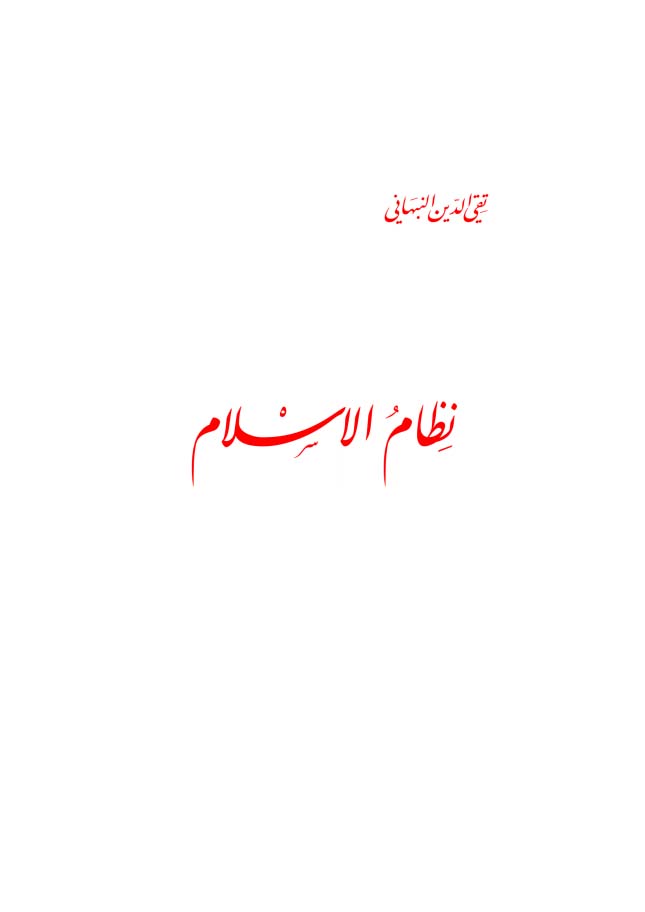
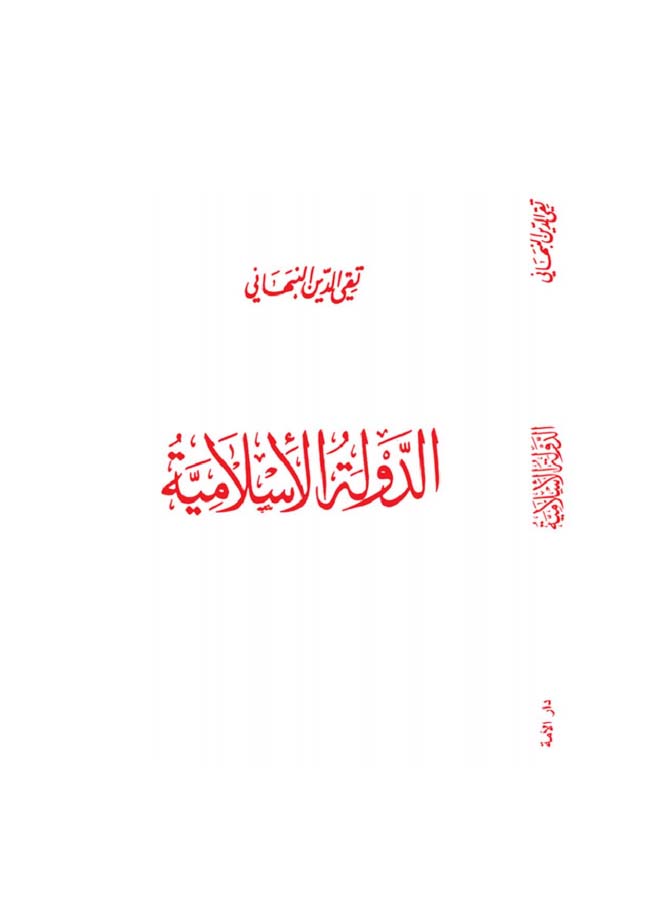
The Islamic State
Taqiuddin an-Nabhani
The current generation has not experienced an Islamic state that truly implements Islam. Those who lived during the late Ottoman Empire, which was dismantled by the West, only witnessed remnants of a state with vestiges of Islamic rule. Therefore, one of the most difficult things for a Muslim is to convey an image of Islamic governance to minds dominated by reality, unable to conceive of governance except in terms of the corrupt democratic systems imposed on Islamic countries. The difficulty does not lie in this alone, but in transforming these minds, imbued with Western culture. This Western culture was a weapon wielded by the West against the Islamic state, a fatal blow that ended its life. They carried this weapon, dripping with the blood of their murdered mother, to the sons of this state, boasting, 'I have killed your old mother, who deserved to be killed for her poor upbringing of you. I have prepared for you a nurturing that will allow you to taste happy life and lasting bliss.' They extended their hands to greet the killer, whose weapon was still stained with their mother's blood. They did to them what the hyena does, as they say, when it makes its prey oblivious except to chasing it, so it does not wake up until a blow causes its blood to flow, or the hyena leads it to the bottom of the valley and devours it.
مقدمة / Introduction
The current generation has not experienced an Islamic state that truly implements Islam. Those who lived during the late Ottoman Empire, which was dismantled by the West, only witnessed remnants of a state with vestiges of Islamic rule. Therefore, one of the most difficult things for a Muslim is to convey an image of Islamic governance to minds dominated by reality, unable to conceive of governance except in terms of the corrupt democratic systems imposed on Islamic countries. The difficulty does not lie in this alone, but in transforming these minds, imbued with Western culture. This Western culture was a weapon wielded by the West against the Islamic state, a fatal blow that ended its life. They carried this weapon, dripping with the blood of their murdered mother, to the sons of this state, boasting, 'I have killed your old mother, who deserved to be killed for her poor upbringing of you. I have prepared for you a nurturing that will allow you to taste happy life and lasting bliss.' They extended their hands to greet the killer, whose weapon was still stained with their mother's blood. They did to them what the hyena does, as they say, when it makes its prey oblivious except to chasing it, so it does not wake up until a blow causes its blood to flow, or the hyena leads it to the bottom of the valley and devours it.Table of Contents
1.
Opening Remarks
2.
Table of Contents
3.
Introduction
4.
Starting Point
5.
The Companions' Bloc
6.
The Launch of the Call
7.
Resistance to the Call
8.
Interaction of the Call
9.
A Cycle of the Call
10.
Expanding the Scope of the Call
11.
The First Pledge of Aqaba
12.
The Call in Medina
13.
The Second Pledge of Aqaba
14.
The Establishment of the Islamic State
15.
Building Society
16.
Preparing the Atmosphere for Combat
17.
The Beginning of Combat
18.
Life in Medina
19.
Debate between Jews and Christians
20.
The Battle of Badr
21.
The Expulsion of Banu Qaynuqa
22.
Eliminating Internal Disturbances
23.
The Battle of the Trench
24.
The Treaty of Hudaybiyyah
25.
Sending Messengers to Neighboring Countries
26.
The Battle of Khaybar
27.
The Compensatory Pilgrimage
28.
The Battle of Mu'tah
29.
The Conquest of Mecca
30.
The Battle of Hunayn
31.
The Battle of Tabuk
32.
The Islamic State's Control over the Arabian Peninsula
33.
The Apparatus of the Islamic State
34.
The Jews' Stance on the Islamic State
35.
The Continuation of the Islamic State
36.
The Internal Policy of the Islamic State
37.
The Foreign Policy of the Islamic State
38.
The Islamic Conquests Are for Spreading Islam
39.
Focus of the Islamic Conquests
40.
Melting Peoples and Making Them One Nation
41.
Factors of Weakness of the Islamic State
42.
Dissolution of the Islamic State
43.
The Missionary Invasion
44.
The Crusader Hostility
45.
Effects of the Missionary Invasion
46.
The Political Invasion of the Islamic World
47.
Eliminating the Islamic State
48.
Preventing the Establishment of the Islamic State
49.
Establishing the Islamic State is an Obligation on Muslims
50.
Difficulties in Establishing the Islamic State
51.
How the Islamic State is Established
52.
Draft Constitution for the Islamic State
53.
General Provisions
54.
The System of Governance
55.
The Caliph
56.
The Deputy of Delegation
57.
The Deputy of Execution
58.
The Commander of Jihad
59.
The Army
60.
The Judiciary
61.
The Governors
62.
The Administrative Apparatus
63.
The National Council
64.
The Social System
65.
The Economic System
66.
Education Policy
67.
Foreign Policy
خاتمة / Conclusion
Article 185 - Military treaties, and anything of the same nature or attached to them, such as political treaties and agreements to lease bases and airports, are strictly prohibited. Good neighborliness treaties, economic, trade, financial, and cultural treaties, and truce treaties may be concluded. Article 186 - Organizations that are not based on Islam, or that apply rulings other than the rulings of Islam, are not permitted for the state to participate in, such as international organizations like the United Nations, the International Court of Justice, the International Monetary Fund, and the World Bank, and regional organizations like the Arab League.
شارك الكتاب: