بلوغ المرام من كتاب نظام الإسلام (ح147) الخليفة مقيد في التبني بالأحكام الشرعية

السَّلامُ عَلَيكُمْ وَرَحْمَةُ اللهِ وَبَرَكَاتُهُ وَبَعدُ: نُتَابِعُ مَعَكُمْ سِلْسِلَةَ حَلْقَاتِ كِتَابِنا "بلوغ المرام من كتاب نظام الإسلام" وَمَعَ الحَلْقَةِ السَّابِعَةِ وَالأَربَعِينَ بَعدَ المِائَةِ, وَعُنوَانُهَا:"الخَلِيفَةُ مُقَيَّدٌ فِي التَّبَنِّي بِالأَحكَامِ الشَّرعِيَّةِ". نَتَأمَّلُ فِيهَا مَا جَاءَ فِي الصَّفحَةِ الـمِائَةِ مِنْ كِتَابِ "نظامُ الإسلام" لِلعَالِمِ والـمُفَكِّرِ السِّيَاسِيِّ الشَّيخِ تَقِيِّ الدِّينِ النَّبهَانِيِّ. يَقُولُ رَحِمَهُ اللهُ:

0:00 0:00
Speed:
February 21, 2019

بلوغ المرام من كتاب نظام الإسلام (ح147) الخليفة مقيد في التبني بالأحكام الشرعية

بلوغ المرام من كتاب نظام الإسلام

(ح147) الخليفة مقيد في التبني بالأحكام الشرعية

الحَمْدُ للهِ ذِي الطَّولِ وَالإِنْعَامْ, وَالفَضْلِ وَالإِكرَامْ, وَالرُّكْنِ الَّذِي لا يُضَامْ, وَالعِزَّةِ الَّتِي لا تُرَامْ, والصَّلاةُ وَالسَّلامُ عَلَى سَيِّدِنَا مُحَمَّدٍ خَيرِ الأنَامِ, خَاتَمِ الرُّسُلِ العِظَامْ, وَآلِهِ وَصَحْبِهِ وَأتبَاعِهِ الكِرَامْ, الَّذِينَ طَبَّقُوا نِظَامَ الإِسلامْ, وَالتَزَمُوا بِأحْكَامِهِ أيَّمَا التِزَامْ, فَاجْعَلْنَا اللَّهُمَّ مَعَهُمْ, وَاحشُرْنا فِي زُمرَتِهِمْ, وثَبِّتنَا إِلَى أنْ نَلقَاكَ يَومَ تَزِلُّ الأقدَامُ يَومَ الزِّحَامْ. 

أيها المؤمنون:

السَّلامُ عَلَيكُمْ وَرَحْمَةُ اللهِ وَبَرَكَاتُهُ وَبَعدُ: نُتَابِعُ مَعَكُمْ سِلْسِلَةَ حَلْقَاتِ كِتَابِنا "بلوغ المرام من كتاب نظام الإسلام" وَمَعَ الحَلْقَةِ السَّابِعَةِ وَالأَربَعِينَ بَعدَ المِائَةِ, وَعُنوَانُهَا:"الخَلِيفَةُ مُقَيَّدٌ فِي التَّبَنِّي بِالأَحكَامِ الشَّرعِيَّةِ". نَتَأمَّلُ فِيهَا مَا جَاءَ فِي الصَّفحَةِ الـمِائَةِ مِنْ كِتَابِ "نظامُ الإسلام" لِلعَالِمِ والـمُفَكِّرِ السِّيَاسِيِّ الشَّيخِ تَقِيِّ الدِّينِ النَّبهَانِيِّ. يَقُولُ رَحِمَهُ اللهُ:

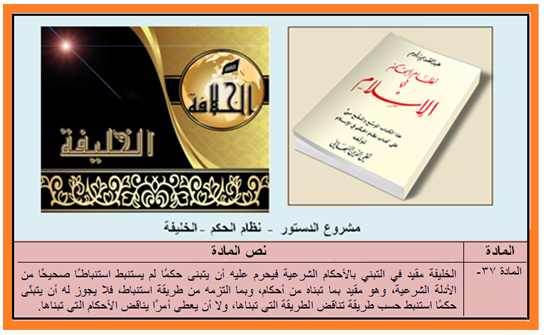
المادة 37-الخَلِيفَةُ مُقَيَّدٌ فِي التَّبَنِّي بِالأَحكَامِ الشَّرعِيَّةِ فَيَحرُمُ عَلَيهِ أَنْ يَتَبَنَّى حُكْماً لَـمْ يُستَنبَطِ استِنبَاطاً صَحِيحاً مِنَ الأَدِلَّةِ الشَّرعِيَّةِ، وَهُوَ مُقَيَّدٌ بِمَا تَبَنَّاهُ مِنْ أَحكَامٍ، وَبِمَا التَزَمَهُ مِنْ طَرِيقَةِ استِنبَاطٍ، فَلَا يَجُوزُ لَهُ أَنْ يَتَبَنَّى حُكْماً استُنبِطَ حَسَبَ طَرِيقَةٍ تُنَاقِضُ الطَّرِيقَةَ الَّتِي تَبَنَّاهَا، وَلَا أَنْ يُعطِيَ أَمراً يُنَاقِضُ الأَحْكَامَ الَّتِي تَبَنَّاهَا.

وَنَقُولُ رَاجِينَ مِنَ اللهِ عَفْوَهُ وَمَغْفِرَتَهُ وَرِضْوَانَهُ وَجَنَّتَهُ: أَيُّهَا الصَّائِمُونْ, يَا أُمَّةَ الإِيمَانْ, يَا أُمَّةَ القُرآنْ, يَا أُمَّةَ الإِسلَامْ, يَا أُمَّةَ التَّوحِيدْ, يَا مَنْ آمَنتُمْ بِاللهِ رَبّاً, وَبِمُحَمَّدٍ صلى الله عليه وسلم نَبِيّاً وَرَسُولاً, وَبِالقُرآنِ الكَرِيمِ مِنهَاجاً وَدُستُوراً, وَبِالإسلَامِ عَقِيدَةً وَنِظَاماً لِلْحَياَة,ِ أَيُّهَا الـمُسلِمُون فِي كُلِّ مَكَانْ, فَوقَ كُلِّ أَرضٍ, وَتَحتَ كُلِّ سَمَاءْ, يَا خَيرَ أُمَّةٍ أُخرِجَتْ لِلنَّاسِ, أَيُّهَا الـمُؤمِنُونَ الغَيُورُونَ عَلَى دِينِكُمْ وَأُمَّتِكُمْ.

أعَدَّ الشَّيخُ تَقِيُّ الدِّينِ النَّبهَانِيُّ هُوَ وَإِخوَانُهُ العُلَمَاءُ فِي حِزْبِ التَّحرِيرِ دُستُورَ الدَوْلَةِ الإِسْلامِيَّةِ, وَهَا هُوَ يُوَاصِلُ عَرْضَهُ عَلَيكُمْ حَتَّى تدرُسُوهُ وَأنتمْ تَعْمَلُونَ مَعَنَا لإِقَامَتِهَا, وَهَذِهِ هِيَ الـمَادَّةُ السَّابِعَةُ وَالثَّلَاثُونَ.

وَإِلَيكُمْ بَيَانَ أَدِلَّةِ هَذِهِ الـمَادَّةِ مِنْ كِتَابِ مَقَدِّمَةِ الدُّستُورِ, وهِيَ عَلَى النَّحْوِ الآتِي: وَفِيهَا أمرَانِ اثنَانِ: أَحَدُهُمَا: أَنْ يَتَقَيَّدَ الخَلِيفَةُ فِي التَّبَنِّي لِلأَحْكَامِ بِالأَحْكَامِ الشَّرعِيَّةِ. وَالثَّانِي: أَنْ يَتَقَيَّدَ الخَلِيفَةُ فِي التَّبَنِّي لِلأَحْكَامِ بِالأَحْكَامِ الشَّرعِيَّةِ الـمُستَنبَطَةِ استِنبَاطاً صَحِيحاً مِنَ الأَدِلَّةِ الشَّرعِيَّةِ. 

أَيْ أَنْ يَكُونَ تَقَيُّدُ الخَلِيفَةِ بِالتَّشرِيعِ, وَسَنِّ القَوَانِينِ بِالشَّرِيعَةِ الإِسلَامِيَّةِ، فَلَا يَجُوزُ لَهُ أَنْ يَتَبَنَّى مِنْ خِلَافِهَا لِأَنَّ خِلَافَهَا أَحْكَامُ كُفْرٍ. فَإِنْ تَبَنَّى حُكْماً مِنْ غَيرِهَا, وَهُوَ يَعرِفُ أَنَّهُ تَبَنَّى مِنْ غَيرِ الشَّرِيعَةِ الإِسلَامِيَّةِ, فَإِنَّهُ يَنطَبِقُ عَلَيهِ قَولُهُ تَعَالَى: (وَمَنْ لَـمْ يَحْكُمْ بِمَا أَنزَلَ اللهُ فَأُولَئِكَ هُمُ الكَافِرُونَ). (المائدة 44) فَإِنِ اعَتَقَدَ بِالحُكْمِ الَّذِي تَبَنَّاهُ فَقَدْ كَفَرَ وَارتَدَّ عَنِ الإِسلَامِ، وَإِنْ لَـمْ يَعتَقِدْ بِهِ وَلَكِنْ أَخَذَهُ عَلَى اعتِبَارِ أَنَّهُ لَا يُخَالِفُ الإِسلَامَ كَمَا كَانَ يَفعَلُ خُلَفَاءُ بَنِي عُثمَانَ فِي أَوَاخِرِ أَيَّامِهِمْ فَإِنَّهُ يَحرُمُ عَلَيهِ ذَلِكَ وَلَا يَكْفُرُ، وَأَمَّا إِنْ كَانَتْ لَهُ شُبهَةُ الدَّلِيلِ كَمَنْ يُشَرّعُ حُكْماً لَيسَ لَهُ دَلِيلٌ لِمَصْلَحَةٍ رَآهَا هُوَ، وَاستَنَدَ إِلَى قَاعِدَةِ الـمَصَالِـحِ الـمُرسَلَةِ، أَو قَاعِدَةِ سَدِّ الذَّرَائِعِ، أَو مَآلَاتِ الأَفعَالِ، أَو مَا شَاكَلَ ذَلِكَ, فَإِنَّهُ إِنْ كَانَ يَرَى أَنَّ هَذِهِ قَوَاعِدُ شَرعِيَّةٌ وَأَدِلَّةٌ شَرعِيَّةٌ فَلَا يَحرُمُ عَلَيهِ, وَلَا يَكفُرُ, وَلَكِنَّهُ مُخطِئٌ وَيُعتَبَرُ مَا استَنبَطَهُ حُكْماً شَرعِيّاً فِي نَظَرِ جَمِيعِ الـمُسلِمِينَ، وَتَجِبُ طَاعَتُهُ إِنْ تَبَنَّاهُ الخَلِيفَةُ؛ لِأَنَّهُ حُكْمٌ شَرعِيٌّ, وَلَهُ شُبْهَةُ الدَّلِيلِ، وَإِنْ كَانَ مُخطِئاً فِي الدَّلِيلِ، لِأَنَّهُ كَالـمُخطِئِ فِي الاستِنبَاطِ مِنَ الدَّلِيلِ. وَعَلَى أَيِّ حَالٍ يَجِبُ عَلَى الخَلِيفَةِ أَنْ يَتَقَيَّدَ فِي التَّبَنِّي بِالشَّرِيعَةِ الإِسلَامِيَّةِ، وَأَنْ يَتَقَيَّدَ بِالتَّبَنِّي فِيهَا بِالأَحكَامِ الشَّرعِيَّةِ الـمُستَنبَطَةِ استِنبَاطاً صَحِيحاً مِنَ الأَدِلَّةِ الشَّرعِيَّةِ. وَالدَّلِيلُ عَلَى ذَلِكَ:

أولاً: مَا فَرَضَهُ اللهُ عَلَى كُلِّ مُسلِمٍ خَلِيفَةً كَانَ أَو غَيرَ خَلِيفَةٍ بِأَنْ يُسَيِّرَ جَمِيعَ أَعمَالِهِ حَسَبَ الأَحْكَامِ الشَّرعِيَّةِ، قَالَ تَعَالَى: (فَلَا وَرَبِّكَ لَا يُؤمِنُونَ حَتَّى يُحَكِّمُوكَ فِيمَا شَجَرَ بَينَهُمْ).(النساء 65) وَتَسيِيرُ الأَعْمَالِ بِحَسَبِ الأَحكَامِ الشَّرعِيَّةِ يُحَتِّمُ عَلَيهِ أَنْ يَتَبَنَّى حُكْماً مُعَيَّناً حِينَ يَتَعَدَّدُ فَهْمُ خِطَابِ الشَّارِعِ، أَيْ حِينَ يَتَعَدَّدُ الحُكْمُ الشَّرعِيُّ, فَصَارَ التَّبَنِّي لِحُكْمٍ مُعَيَّنٍ فِيمَا تَعَدَّدَ مِنْ أَحكَامٍ وَاجِباً عَلَى الـمُسلِمِ حِينَ يُرِيدُ القِيَامَ بِالعَمَلِ، أَي حِينَ يُرِيدُ تَطبِيقَ الحُكْمِ، فَهُوَ وَاجِبٌ عَلَى الخَلِيفَةِ حِينَ يَقُومُ بِعَمَلِهِ وَهُوَ الحُكْمُ.

وثانياً: نَصُّ البَيعَةِ الَّتِي يُبَايَعُ عَلَيهَا الخَلِيفَةُ تُلزِمُهُ بِالتِزَامِ الشَّرِيعَةِ الإِسلَامِيَّةِ، إِذْ إِنَّهَا بَيعَةٌ عَلَى العَمَلِ بِالكِتَابِ وَالسُّنَّةِ، فَلَا يَحِلُّ لَهُ أَنْ يَخرُجَ عَنهُمَا، بَـلْ يَكـفُـرُ إِنْ خَـَرجَ عَنهُمَا مُعـتَـِقـداً، وَيَكُونُ عَاصِياً إِذَا خَرَجَ عَنهُمَا غَيرَ مُعتَقِدٍ.

وثالثاً: أَنَّ الخَلِيفَةَ مَنـصُـوبٌ لِتَنفِيذِ الشَّرعِ فَلَا يَحِلُّ لَهُ أَنْ يَأخُذَ مِنْ غَيرِ الشَّرعِ لِيُنَفِّذَهُ عَلَى الـمُسلِمِينَ؛ لِأَنَّ الشَّرعَ نَهَى عَنْ ذَلِكَ بِشَكْلٍ جَازِمٍ وَصَـلَ إِلَى دَرَجَـةِ نَفْيِ الإِيمَانِ عَنْ تَحكِيمِ غَيرِ الإِسلَامِ، وَهُوَ قَرِينَةٌ عَلَى الجَزْمِ.

فَمَعْنَاهُ أَنَّ الخَلِيفَةَ مُقَيَّدٌ فِي تَبَنِّيهِ الأَحْكَامَ، أَي فِي سَنِّهِ القَوَانِينَ بِالأَحكْامِ الشَّرعِيَّةِ وَحْدَهَا، فَإِذَا سَنَّ قَوَانِينَ مِنْ غَيرِهَا كَفَرَ إِنِ اعتَقَدَ بِهِ, وَكَانَ عَاصِياً إِنْ لَـمْ يَعتَقِدْ بِهِ.

فَهَذِهِ الأَدِلَّةُ الثَّلَاثَةُ أَدِلَّةُ الأَمْرُ الأَوَّلُ الَّذِي فِي هَذِهِ الـمَادَّةِ، أَمَّا الأَمْرُ الثَّانِي الَّذِي فِيهَا فَهُوَ أَنَّ الخَلِيفَةَ مُقَيَّدٌ بِمَا تَبَّنَاهُ مِنْ أَحكَامٍ، وَبِمَا التَزَمَهُ مِنْ طَرِيقَةِ استِنبَاطٍ، وَالدَّلِيلُ عَلَى ذَلِكَ هُوَ أَنَّ الحُكْمَ الشَّرعِيَّ الَّذِي يُنَفِّذُهُ الخَلِيفَةُ هُوَ الحُكمُ الشَّرعِيُّ فِي حَقِّهِ هُوَ، لَا فِي حَقِّ غَيرِهِ، أَيِ الحُكْمُ الشَّرعِيُّ الَّذِي تَبَّنَاهُ لِيُسَيِّرَ أَعمَالَهُ بِحَسَبِهِ, وَلَيسَ أَيَّ حُكْمٍ شَرعِيٍّ. فَإِذَا استَنبَطَ الخَلِيفَةُ حُكْماً، أَوْ قَلَّدَ فِي حُكْمٍ، كَانَ هَذَا الحُكْمُ الشرَّعِيُّ هُوَ حُكْمَ اللهِ فِي حَقِّهِ، وَكَانَ مُقَيَّداً فِي تَبَنِّيهِ لِلمُسلِمِينَ بِهَذَا الحُكْمِ الشَّرعِيِّ, وَلَا يَحِلُّ لَهُ أَنْ يَتَبَنَّى خِلَافَهُ؛ لِأَنَّهُ لَا يُعتَبَرُ حُكْمَ اللهِ فِي حَقِّهِ فَلَا يَكُونُ حُكْماً شَرعِيّاً بِالنِّسبَةِ لَهُ, وَبِالتَّالِي لَا يَكُونُ حُكْماً شَرعِيّاً بِالنِّسبَةِ لِلمُسلِمِينَ, وَلِذَلِكَ كَانَ مُقَيَّداً فِي أَوَامِرِهِ الَّتِي يُصدِرُهَا لِلرَّعِيَّةِ بِهَذَا الحُكْمِ الشَّرعِيِّ الَّذِي تَبَنَّاهُ، وَلَا يَحِلُّ لَهُ أَنْ يُصـدِرَ أَمـراً عَلَى خِـلَافِ مَـا تَبَنَّى مِنْ أَحكَامٍ؛ لِأَنَّهُ لَا يُعتَبَرُ ذَلِكَ الأَمْرُ الَّذِي أَصدَرَهُ حُكْمَ اللهِ فِي حَـِّقـهِ، فَلَا يَكُونُ حُكْماً شَرعِياً بِالنِّسبَةِ لَهُ، وَبِالتَّالِي لَا يَكُونُ حُكْماً شَرعِيّاً بِالنِّسبَةِ لِلمُسلِمِينَ، فَيَكُونُ كَأَنَّهُ أَصْدَرَ أَمْراً عَلَى غَيرِ الحُكْمِ الشَّرعِيِّ. وَمِنْ هَنَا كَانَ لَا يَجُوزُ لَهُ أَنْ يُصدِرَ أَمراً خِلَافَ مَا تَبَنَّاهُ مِنْ أَحكَامٍ.

وَأَيضاً فَإِنَّ طَرِيقَةَ الاستِنبَاطِ يَتَغَيَّرُ بِحَسَبِهَا فَهْمُ الحُكْمِ الشَّرعِيِّ، فَإِذَا كَانَ الخَلِيفَةُ يَرَى أَنَّ عِلَّةَ الحُكْمِ تُعتَبَرُ عِلَّةً شَرعِيَّةً إِذَا أُخِذَتْ مِنْ نَصٍّ شَرعِيٍّ، وَلَا يَرَى أَنَّ الـمَصلَحَةَ عِلَّةٌ شَرعِيَّةٌ، وَلَا يَرَى أَنَّ الـمَصَالِـحَ الـمُرسَلَةَ دَلِيلٌ شَرعِيٌّ. إِذَا رَأَى ذَلِكَ فَقَدْ عَيَّنَ لِنَفسِهِ طَرِيقَةَ الاستِنبَاطِ، وَحِينَئِذٍ يَجِبُ أَنْ يَتَقَيَّدَ بِهَا، فَلَا يَصِحُّ أَنْ يَتَبَنَّى حُكْماً دَلِيلُهُ الـمَصَالِـحُ الـمُرسَلَةُ، أَو يَأخُذُ قِيَاساً عَلَى عِلَّةٍ لَـمْ تُؤخَذْ مِنْ نَصٍّ شَرعِيٍّ؛ لِأَنَّ هَذَا الحُكْمَ لَا يُعتَبَرُ حُكْماً شَرعِياً فِي حَقِّهِ؛ لِأَنَّهُ يَرَى أَنَّ دَلِيلَهُ لَيسَ دَلِيلاً شَرعِياً، فَهُوَ إِذَنْ لَـمْ يَكُنْ فِي نَظَرِهِ حُكْماً شَرعياً. وَمَا دَامَ لَا يُعتَبَرُ حُكْماً شَرعِياً فِي حَقِّ الخَلِيفَةِ فَهُوَ لَيسَ حُكماً شَرعِيّاً فِي حَقِّ الـمُسلِمِينَ. فَيَكُونُ كَأَنَّهُ تَبَنَّى حُكْماً مِنْ غَيرِ الأَحكَامِ الشَّرعِيَّةِ، فَيحْرُمُ عَلَيهِ ذَلِكَ.

وَإِذَا كَانَ الخَلِيفَةُ مُقَلِّداً، أَو مُجتَهِدَ مَسأَلَةٍ, وَلَيسَ مُجتَهِداً مُطْلَقاً، أَو مُجتَهِدَ مَذْهَبٍ, وَلَيسَلَهُ طَرِيقَةٌ مُعَيَّنَةٌ فِي الاستِنبَاطِ، فَإِنَّهُ يَسيرُ فِي تَبَنِّيهِ حَسَبَ الـمُجتَهِدِ الَّذِي قَلَّدَهُ، أَوْ حَسَبَ اجتِهَادِهِ هُوَ فِي الـمَسأَلَةِ، مَا دَامَ لَهُ دَلِيلٌ أَو شُبهَةُ الدَّلِيلِ. وَفِي هَذِهِ الحَالَةِ، يَكُونُ فَقَطْ مُقيَّداً فِيمَا يُصدِرُهُ مِنْ أَوَامِرَ، بِأَنْ لَا يُصدِرَهَا إِلَّا وَفْقَ مَا تَبَنَّاهُ مِنْ أَحكَامٍ.
bloogh22 2 1

bloogh22 2 2

أيها المؤمنون:

نَكتَفي بِهذا القَدْرِ في هَذِه الحَلْقة, وَلِلحَدِيثِ بَقِيَّةٌ, مَوعِدُنَا مَعَكُمْ في الحَلْقةِ القادِمَةِ إنْ شَاءَ اللهُ تَعَالَى, فَإِلَى ذَلِكَ الحِينِ وَإِلَى أَنْ نَلْقَاكُمْ وَدَائِماً, نَترُكُكُم في عنايةِ اللهِ وحفظِهِ وأمنِهِ, سَائِلِينَ الْمَولَى تَبَارَكَ وَتَعَالَى أَن يُعزَّنا بِالإسلام, وَأنْ يُعزَّ الإسلام بِنَا, وَأن يُكرِمَنا بِنَصرِه, وَأن يُقِرَّ أعيُننَا بِقيَامِ دَولَةِ الخِلافَةِ الرَّاشِدَةِ الثَّانِيَةِ عَلَىْ مِنْهَاْجِ النُّبُوَّةِ في القَريبِ العَاجِلِ, وَأَن يَجعَلَنا مِن جُنُودِهَا وَشُهُودِهَا وَشُهَدَائِها, إنهُ وَليُّ ذلكَ وَالقَادِرُ عَلَيهِ. نَشكُرُكُم عَلى حُسنِ استِمَاعِكُم, وَالسَّلامُ عَليكُم وَرَحمَةُ اللهِ وَبَركَاتُه.

More from Articles

Precious Fruits - The tongue of the wise man is behind his heart

Precious Fruits

The tongue of the wise man is behind his heart

Al-Hasan al-Basri heard a man talking too much, so he said: O son of my brother, hold your tongue, for it has been said: There is nothing more worthy of imprisonment than the tongue.

It was narrated that the Prophet, may God bless him and grant him peace, said: (And what causes people to be thrown on their faces into the Fire except the harvests of their tongues?) Narrated by al-Darimi mursal, Ibn Abd al-Barr, Ibn Abi Shaybah, and Ibn al-Mubarak.

He used to say: The tongue of the wise man is behind his heart, so if he wants to speak, he thinks, and if the speech is in his favor, he speaks, and if it is against him, he remains silent. And the heart of the ignorant person is behind his tongue, whenever he intends to speak, he speaks.

Etiquettes, asceticism, and sermons of Al-Hasan Al-Basri

By Abi al-Faraj Ibn al-Jawzi

May God bless our master Muhammad and all his family and companions

Peace be upon you and God's mercy and blessings

How did Islam enter Sudan?
August 15, 2025

How did Islam enter Sudan?

How did Islam enter Sudan?

The Sudan known today by its geography did not represent a unified political, cultural, or religious entity before the arrival of Muslims, as it was divided among different races, ethnicities, and beliefs. In the north, where the Nubians lived, Orthodox Christianity was prevalent as a belief, and the Nubian language, in its various dialects, was the language of politics, culture, and communication. In the east, the Beja tribes lived, who are Hamitic tribes (attributed to Ham, son of Noah), with their own language, separate culture, and different beliefs from those in the north. If we head south, we find the Negroid tribes with their distinctive features, their own languages, and pagan beliefs. The same is true in the west. ([1])

This diversity and ethnic and cultural pluralism are among the most prominent features and characteristics of the population structure in pre-Islamic Sudan, resulting from several factors, especially since Sudan enjoys a strategic geographic location in Northeast Africa. It represents a gateway to the Horn of Africa and a link between the Arab world and North Africa, and between sub-Saharan Africa. This location has given it a major role in civilizational and cultural communication and political and economic interactions throughout history. In addition, it has vital sea outlets on the Red Sea, one of the most important trade routes in the world.

The first migration of the Companions, may God be pleased with them, to the land of Abyssinia (in Rajab of the fifth year of prophethood, which is the second year of proclaiming the Da'wah) can be seen as the first indication of early contact between nascent Islam and the communities of eastern Sudan. Although the purpose of the migration was originally to seek a safe haven from persecution in Mecca, this step represented the beginning of the first Islamic presence in the African and Sudanese space. In the year 6 AH, the Prophet, peace and blessings be upon him, sent with his messenger Amr bin Umayya a letter to Al-Najashi inviting him to Islam ([2]), and Al-Najashi replied with a letter in which he showed his acceptance.

With the conquest of Egypt at the hands of Amr ibn al-Aas during the reign of the Rashidun Caliph Omar ibn al-Khattab in 20 AH/641 AD, the Nubians felt the danger when the Islamic state began to establish its administrative and political influence over the northern Nile Valley, especially in Upper Egypt, which represented a strategic and geographical extension of the Sudanese Nubian kingdoms. Therefore, the Nubian kingdoms began launching preemptive attacks on Upper Egypt as a defensive reaction. Caliph Omar ibn al-Khattab, may God be pleased with him, ordered the governor of Egypt, Amr ibn al-Aas, to send detachments towards the land of Nubia in Sudan to secure the southern borders of Egypt and to convey the Islamic call. In turn, Amr ibn al-Aas sent an army led by Uqba ibn Nafi al-Fihri in the year 21 AH, but the army was forced to retreat, as the people of Nubia met it with great courage, and many Muslims returned with gouged eyes. The Nubians were skilled archers, making accurate hits even in the eyes, which is why the Muslims called them "archers of the pupils." In the year 26 AH (647 AD), Abdullah ibn Abi al-Sarh was appointed governor of Egypt during the days of Uthman ibn Affan and prepared to meet the Nubians, leading a well-equipped campaign and was able to penetrate south to Dongola*, the capital of the Christian Nubian kingdom in the year 31 AH/652 AD, and besieged the city severely. When they asked him for reconciliation and truce, Abdullah ibn Abi al-Sarh agreed to that ([3]). He concluded a peace treaty with them called the Covenant or Agreement of Baqt** and built a mosque in Dongola. Researchers have strived to understand the meaning of Baqt, some saying it is Latin, (Pactum) meaning agreement, but historians and writers do not see this peace treaty as other peace treaties in which Muslims imposed jizya on those who reconciled with them, but rather considered it an agreement or truce between Muslims and Nubians.

Abdullah ibn Abi al-Sarh pledged to them security, that the Muslims would not fight them, and that the Nubians would enter the lands of the Muslims as passers-by, not residents, and the Nubians would protect whoever entered their land from the Muslims or those under covenant until they left it ([4]). They were also required to maintain the mosque that the Muslims built in Dongola, sweep it, light it, and honor it, and not prevent anyone from praying in it, and to pay 360 heads of their average slaves each year. In return, the Muslims would donate annual supplies of grains and clothing (because the Nubian king complained of a lack of food in his country), but they were not obligated to repel an enemy or raider of their country. With this peace, the Muslims were reassured about the safety of their borders from the south, ensured cross-border trade between the two countries, and obtained the strong arms of Nubia to serve the state. With the movement of goods, ideas also moved, and preachers and merchants played a pivotal role in spreading Islam in Nubia through peaceful means, especially through good dealings. Trade caravans carried with them belief, language, civilization, and a way of life, just as they carried trade goods.

Arabic also became increasingly present in the daily life of Sudanese societies, especially in northern Sudan. This agreement represented a kind of permanent contact between the Muslims and the Christian Nubians that lasted for six centuries ([5]). During that time, the Islamic faith infiltrated the northern part of eastern Sudan from the mid-seventh century AD at the hands of Muslim merchants and Arab immigrants. These major Arab migrations infiltrated through 3 routes: first: from Egypt, second from the Hijaz via the ports of Badi, Aydhab and Suakin, and third: from Morocco and North Africa through the central Sudan. However, the impact of these groups was not effective due to their small size compared to the large numbers that moved from Egypt to the south since the ninth century AD, after which the land of Beja, Nubia and Central Sudan was melted by the Arab element. At that time, the Abbasid Caliph Al-Mu'tasim (218-227 AH/833-842 AD) decided to rely on Turkish soldiers and abandon Arab soldiers, which is considered a dangerous turning point in the history of Arabs in Egypt. Thus, the third century AH/ninth century AD witnessed wide Arab migrations to Sudan, and then penetration into the vast plains south and east ([6]), which helped stability in these areas to connect with the people of the country, influence them, and accept Islam and enter into it.

In the twelfth century AD, following the Crusaders' occupation of Palestine, the Sinai route for Egyptian and Moroccan pilgrims was no longer safe, so they turned to the port of Aydhab (known as the Port of Gold, located on the Red Sea coast). When the pilgrimage movement became active there and Muslims frequented it on their way to and from the holy lands in the Hijaz, the ships carrying goods from Yemen and India began to anchor there, thus its area was populated and its movement increased, and Aydhab occupied an excellent position in the religious and commercial life of Muslims. ([7])

When the kings of Nubia broke the covenant whenever they found weakness or weakness from the Muslims and raided Aswan and the positions of Muslims in Egypt, especially during the days of its king David in 1272 AD, the Muslims were forced to fight them during the days of al-Zahir Baybars, and a new treaty was concluded between the two parties in 1276 AD, and finally Sultan al-Nasir bin Qalawun opened Dongola in 1317 AD, and the king of Nubia, Abdullah, son of King David's brother, converted to Islam in 1316 AD, which facilitated its spread there, and the land of Nubia entered Islam permanently.([8])

As for the Christian kingdom of Alwa, it was overthrown following the alliance between the Arab Abdallab tribes and the Zanj Funj in 1504 AD, and the Islamic Funj kingdom was established, also known as the "Sennar Sultanate" after the capital, and also as the "Blue Kingdom." The Sennar kingdom is considered the first Arab Islamic state established in Sudan after the spread of Islam and the Arabic language there([9]).

As a result of the increasing Arab Islamic influence, the royal families in Nubia, Alwa, Sennar, Taqali and Darfur became Muslim after they were Christian or pagan. The ruling class's conversion to Islam was enough to bring about a multi-dimensional revolution in the history of Sudan. Muslim ruling families were formed, and with them the first models of Sudanese Islamic kingdoms were established, which had a great impact on empowering this religion and effectively contributed to spreading the Islamic religion, consolidating its pillars, laying its foundations, and establishing the foundations of Islamic civilization in the land of Sudan. Some kings assumed the role of preachers in their countries and understood their role as guardians who were responsible for conveying and preserving this religion, so they ordered what is right, forbade what is wrong, judged according to God's law, established justice as much as they could, and called to God and strived in His cause. ([10])

Thus, the call of Islam proceeded strongly and effectively in this region amidst hurricanes of paganism and Christian evangelism campaigns. Thus, Sudan is considered one of the most famous regions in which the peaceful Da'wah represented the true model for the spread of Islam, and the ability of Muslims to spread their faith through persuasion, argument, and good treatment emerged. Caravan trade and jurists played a major role in spreading Islam in the Sudanese lands, where markets replaced battlefields, and honesty, truthfulness, and good treatment replaced the sword in spreading the doctrine of monotheism([11]). In this regard, the jurist historian Abu al-Abbas Ahmad Baba al-Tanbukti says: "The people of Sudan embraced Islam voluntarily without anyone taking control of them, like the people of Kano and Borno. We have not heard that anyone took control of them before their Islam."

#SudanCrisis         #SudanCrisis

Written for the Central Media Office of Hizb ut-Tahrir

M. Durra Al-Bakoush

** Appendix: Covenant from Prince Abdullah bin Saad bin Abi Sarh to the Great of Nubia and to all the people of his kingdom:

"A covenant he made to the great and small of Nubia, from the border of the land of Aswan to the border of the land of Alwa, that Abdullah bin Saad has given them security and a truce running between them and the Muslims who border them from the people of Upper Egypt and other Muslims and the people of the Dhimma, that you, the Nubian community, are safe with the security of God and the security of His Messenger Muhammad the Prophet, peace and blessings be upon him, that we will not fight you, nor wage war against you, nor invade you, as long as you abide by the conditions between us and you, that you enter our country as passers-by, not residents in it, and we enter your country as passers-by, not residents in it, and you must protect whoever enters your country, or visits it, from Muslims or those under covenant, until he leaves you, and you must return every runaway who comes to you from the slaves of the Muslims, until you return him to the land of Islam, and do not seize him, nor prevent him from it, nor interfere with a Muslim who intends to reach him and argue with him until he leaves him, and you must protect the mosque that the Muslims built in the courtyard of your city, and do not prevent a worshiper from it, and you must sweep it, light it, and honor it, and you must pay three hundred and sixty heads every year, which you pay to the Imam of the Muslims from the average slaves of your country who are not defective, including males and females, in which there is no decrepit old man, nor an old woman, nor a child who has not reached puberty, you pay that to the governor of Aswan, and no Muslim has to repel an enemy that comes to you, nor prevent him from you, from the border of the land of Alwa to the land of Aswan, if you harbor a Muslim slave or kill a Muslim or someone under covenant, or interfere with the mosque that the Muslims built in the courtyard of your city by demolishing it, or prevent anything from the three hundred and sixty heads, then this truce and security are void, and we and you are back to square one until God judges between us, and He is the best of judges, with that is God's covenant and His pledge and His guarantee and the guarantee of His Messenger Muhammad, peace and blessings be upon him, and we have upon you for that the greatest thing you adhere to of the guarantee of Christ, and the guarantee of the apostles, and the guarantee of whoever you magnify from the people of your religion and your sect.

God is the witness between us and you on that. Written by Amr bin Shurahbil in Ramadan, year thirty-one."


[1] The Entry of Islam into Sudan and its Impact on Correcting Beliefs by Dr. Salah Ibrahim Issa

[2] Chapter Ten of the book Tanwir Al-Ghabash fi Fadl Ahl Al-Sudan wal-Habash, by Ibn al-Jawzi

* Before Islam, the land of Nubia was divided into 3 kingdoms: Nubia, Makuria, and Alwa (from Aswan in the south to Khartoum currently). Then, after that, the kingdoms of Nubia and Makuria united between 570 AD and 652 AD and were called the Kingdom of Nubia, and its capital was Dongola.

[3] Futuh al-Buldan by Imam Ahmad ibn Yahya ibn Jabir al-Baghdadi (known as al-Baladhuri)

** See the appendix to read the full text of the covenant

[4] Islam and Nubia in the Middle Ages by Dr. Mustafa Muhammad Saad

[5] Islam in the Sudan by J. Spencer Trimingham

[6] The Spread of Islam in Sub-Saharan Africa by Yusuf Fadl Hassan

[7] Sudan Through the Ages by Dr. Makki Shibeika

[8] Sudan by Mahmoud Shaker

[9] A Reading in the History of the Islamic Funj Kingdom (910 - 1237 AH/ 1504 - 1821 AD) by Dr. Tayeb Boujamaa Naima

[10] Islam and Nubia in the Middle Ages by Dr. Mustafa Muhammad Saad

[11] Studies in the History of Islam and Ruling Families in Sub-Saharan Africa by Dr. Nour El-Din Al-Shaabani