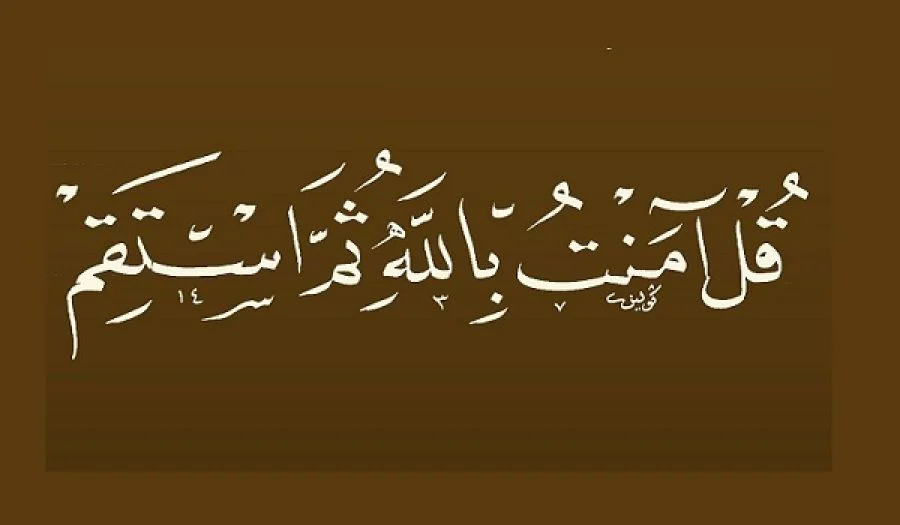
«قُلْ آمَنْتُ بِاللهِ ثُمَّ اسْتَقِمْ»
June 03, 2019

«قُلْ آمَنْتُ بِاللهِ ثُمَّ اسْتَقِمْ»

«قُلْ آمَنْتُ بِاللهِ ثُمَّ اسْتَقِمْ»

سار سيّدنا موسى - مستعينا بتوفيق الله عزّ وجلّ - إلى مدين ودعا ربّه أن يهديه الطّريق الصحيح حتّى يبلغ وجهته فلا يحيد عنه ولا يضلّ. قال سبحانه وتعالى: ﴿وَلَمَّا تَوَجَّه تِلْقَاءَ مَدْيَنَ قَالَ عَسَى رَبِّي أَن يَهْدِيَنِي سَوَاء السَّبِيلِ﴾ عن قَتادة: ﴿قَالَ عَسَى رَبِّي أَنْ يَهْدِيَنِي سَوَاءَ السَّبِيلِ﴾: قصد السبيل. دعا ربّه - بفطرته النّقيّة - أن يهديه الطّريق ولا يتركه هائما في الأرض دون أن تكون له وجهة محدّدة وذلك دلالة واضحة لجدّيّته في المطلب والمسعى.

يصل المسلم الحقّ لإحقاق الرّبوبيّة والألوهيّة لله بعد بحث وتمحيص وتأمّل فإن اهتدى لطريق الحقّ ثبت عليه ولزمه. ومن رحمة الله بعباده أن علمهم كيفية العبادة وشرع الصّلاة ويسّر لهم عبرها الاستقامة على الدّين. يتلون في كلّ ركعة ﴿اهْدِنَا الصِّرَاطَ الْمُسْتَقِيمَ﴾. ففي الصّلاة تتوفّر كلّ أعمال الاستقامة...، تنهى عن الفحشاء والمنكر، وتجمّعت فيها أركان الإسلام كلّها. لذا يرى المسلم العزّ في العبوديّة لله فيسمو في لحظة السّجود يذكر الله في نفسه فيذكره الله ويباهي به من عنده. يكون في معيّة الله عزّ وجلّ في عبادته له والاستقامة على ذلك وإن كان في زنازين الطّغاة أو المنفى، وإن ضاقت به الدّنيا فهو مطمئنّ في رحاب الله يتلو كتابه ويعطر أنفاسه بذكره وحمده، رضي بالله ربّا فأرضاه الله في الدّارين بطمأنينة لا ينالها إلّا المتّقون. ﴿إِنَّ الَّذِين قَالُوا رَبُّنَا اللَّهُ ثُمَّ اسْتَقَامُوا فَلَا خَوْفٌ عَلَيْهِمْ وَلَا هُمْ يَحْزَنُونَ * أُولَٰئِكَ أَصْحَابُ الْجَنَّةِ خَالِدِينَ فِيهَا جَزَاءً بِمَا كَانُوا يَعْمَلُونَ﴾ [الأحقاف: 13-14] ﴿إِنَّ الَّذِينَ قَالُوا رَبُّنَا اللَّهُ ثُمَّ اسْتَقَامُوا تَتَنَزَّلُ عَلَيْهِمُ الْمَلَائِكَةُ أَلَّا تَخَافُوا وَلَا تَحْزَنُوا وَأَبْشِرُوا بِالْجَنَّةِ الَّتِي كُنتُمْ تُوعَدُونَ * نَحْنُ أَوْلِيَاؤُكُمْ فِي الْحَيَاةِ الدُّنْيَا وَفِي الْآخِرَةِ وَلَكُمْ فِيهَا مَا تَشْتَهِي أَنفُسُكُمْ وَلَكُمْ فِيهَا مَا تَدَّعُونَ * نُزُلاً مِّنْ غَفُورٍ رَّحِيمٍ * وَمَنْ أَحْسَنُ قَوْلاً مِّمَّن دَعَا إِلَى اللَّهِ وَعَمِلَ صَالِحاً وَقَالَ إِنَّنِي مِنَ الْمُسْلِمِينَ﴾ [فصلت: 30-33]

أمر الله عزّ وجلّ حبيبه المصطفى صلى الله عليه وسلم بالاستقامة فأمر صلوات ربّي وسلامه عليه المؤمنين بها. عن أبي عمر وقيل أبي عمرة سفيان بن عبد الله رضي الله عنه قال: قلت يا رسول الله قل لي في الإسلام قولا لا أسأل عنه أحداً غيرك قال: «قُلْ آمَنْتُ بِاللهِ ثُمَّ اسْتَقِمْ». رواة مسلم. عَنْ النَّوَّاسِ بْنِ سَمْعَانَ الْأَنْصَارِيِّ، عَنْ رَسُولِ اللَّهِ صلى الله عليه وسلم، قَالَ: «ضَرَبَ اللَّهُ مَثَلاً صِرَاطاً مُسْتَقِيماً، وَعَلَى جَنَبَتَيْ الصِّرَاطِ سُورَانِ، فِيهِمَا أَبْوَابٌ مُفَتَّحَةٌ، وَعَلَى الْأَبْوَابِ سُتُورٌ مُرْخَاةٌ، وَعَلَى بَابِ الصِّرَاطِ دَاعٍ يَقُولُ: يَا أَيُّهَا النَّاسُ، ادْخُلُوا الصِّرَاطَ جَمِيعاً، وَلَا تَتَعَرَّجُوا، وَدَاعٍ يَدْعُو مِنْ فَوْقِ الصِّرَاطِ، فَإِذَا أَرَادَ يَفْتَحُ شَيْئاً مِنْ تِلْكَ الْأَبْوَابِ، قَالَ: وَيْحَكَ لَا تَفْتَحْهُ، فَإِنَّكَ إِنْ تَفْتَحْهُ تَلِجْهُ، وَالصِّرَاطُ الْإِسْلَامُ، وَالسُّورَانِ حُدُودُ اللَّهِ، وَالْأَبْوَابُ الْمُفَتَّحَةُ مَحَارِمُ اللَّهِ، وَذَلِكَ الدَّاعِي عَلَى رَأْسِ الصِّرَاطِ كِتَابُ اللَّهِ عَزَّ وَجَلَّ، وَالدَّاعِي من فَوْقَ الصِّرَاطِ وَاعِظُ اللَّهِ فِي قَلْبِ كُلِّ مُسْلِمٍ».

فمن نعم الله على عباده أن جعل للإنسان واعظا في نفسه يثبّته على الصّراط المستقيم ويعيده إلى الطّريق القويم كلّما حاد عنه، يحاسب نفسه ويراقب الله سرّا وعلانيّة. كما أوجب وجود المتناصحين المحافظين على حدود الله حوله وأوجب وجود دولة تحمي دين الفرد والجماعة وتعمل على استقامة الأمّة فنكون بحقّ شهداء على النّاس مستخلفين في الأرض نعبد الله عزّ وجلّ كما ينبغي. فالله عزّ وجلّ لم يتركنا فوضى لا رعاة لهم بل أوجب وجود دولة تحمي الدّين وتقيم شعائر الله في أرضه...! دولة تحمي قيم الإسلام وتصون أركانه وتنشر عبادة الله في أصقاع الأرض.

ومن نعم الله عزّ وجلّ أيضا على عباده أنّه جعل حمل الدّعوة فرضا على الأمّة وجعل التّواصي بالحقّ والصّبر والأمر بالمعروف والنّهي عن المنكر من مقوّمات المجتمع المسلم. يفلح المؤمنون ويفوزون إن هم حافظوا عليها ويستحقّون الخسران والذلّ إن استهانوا بها. يكره المسلم الإثم والمنكر كفرد ويحثّ على حماية محارم الله ويردّ الشبهات كجماعة، ثم يحاسب المتجرئ عليها. يكون قويا بقوّة الحقّ الذي يحمله لا يهادن فيه ولا يقبل بما هو دونه.

كما أنّ المسلم لا يرى في الالتزام بالشّرع رقّا وأسرا والتنصّل منه حريّة فحامل الدّعوة لا يرى في العمل في إطار جماعة تحجيما له وتقييدا لقدراته. لا يرى في العمل الحزبيّ إلاّ السّبيل لتحرير الأمّة من التّبعيّة والاستعمار. ولا يرى في الالتزام بمتطلّبات حمل الدّعوة إلاّ ما تقتضيه الجدّيّة في الفكر والعمل حتّى يصل إلى سواء السّبيل ويهتدي للّتي هي أقوم.

لا يأمر الشّيطان حامل الدّعوة بترك الأمر بالمعروف والنّهي عن المنكر بل يستدرجه بالانتصار للنّفس وتغليب الهوى، يعظّم أمامه شأن نفسه فيجعله من حيث لا يدري منهمكا في سفاسف الأمور، ساعيا خلف خطوات الشّيطان، لاهثا خلف الدّنيا وملذّاتها يختصم من هذا ويتذمّر من ذاك وهو فوق هذا كلّه يبرّر لنفسه بأنّه مُصلح قوي لا يقبل الظلم. ومن بقي فيه بعض خير يخطّئ نفسه الأمارة بالسّوء سرّاً ويخاف غضب الله العليّ العظيم ولكنّه يكابر علانيّة ويخشى على صنم من عجوة بناه داخل نفسه.. تأخذه العزة بالإثم فلا ينفع معه نقاش ولا يستجيب لنصح بل يبلغ به الأمر أن تقول له اتق الله فيرد "اتق الله أنت" وكأن الحبيب المصطفى صلى الله عليه وسلم لم يحذر من هذا المنزلق!

أمّا من ابتلاه الله بالعُجب فذلك أمره جلل.. نسأل الله السّلامة والمعافاة.

لقد أنعم الله على الإنسان بهذه الدّنيا وزينتها وزخرفها كما وجعلها أيضا فتنة له قد تعيقه عما هو أبقى، تغرّه وتغويه، فيلهث وراء المال والجاه والمنصب ويركن إلى متاعها الزّائف فيتحوّل لغاية في ذاته. تصبح الدّنيا أكبر همّه بدلا من أن يرى نفسه فيها عابر سبيل مكلّفا يعمل لدار البقاء ولجنّة عرضها السّماوات والأرض أعدّت للمتّقين. يعمل المؤمن في الأرض بهمّة عالية وهو مكلّف بعمارة الأرض والاستخلاف فيها حسب منهج ربّاني. يعمل حامل الدعوة تحت إمرة مسؤول واتّباع نهج إسلاميّ أصيل فيه تهذيب للنّفس وانقياد للشّرع وانضباط بالعمل فلا يرى في أيّ عمل تقليلا من شأنه بل ينظر إلى سمو الغاية وأهمية تحقيق الهدف ولا يكترث لمنصب - مهما كان - فهو عمل كأيّ عمل يستلزم جدّيّة وإتقانا وإحسانا فالمسؤوليّة عنده تكليف وليست تشريفا وعبء عظيم يسأل عنه يوم الدّين، لا يستهين بأمرها عاقل ولا يغتر بها لبيب.

ومع طول الطّريق وكثرة المغريات قد ينحرف البعض عن المسار، أحدهم يبدأ بالعمل لنيل أعلى الدّرجات العلميّة لكي يكون المنصب العلميّ الرّفيع عونا له في حمل الدّعوة فإذا بالبوصلة تتغيّر ليصبح المنصب العلميّ هدفا في حدّ ذاته. وآخر يعمل بين النّاس لنشر أفكار الإسلام ويجد قبولا هيّأه الله له بين النّاس فتراه فجأة ينسب الخير لنفسه وينتصر لها ويبتليه الله من حيث لا يدري. وذلك الذي يسافر لبلاد بعيدة حتى يحمل الدعوة للخلافة في أرض معروف عنها حب الناس للإسلام وطول غربتهم عنه تحت حكم العلمانية المتسترة بالإسلام فإذا به يعود بخفي حنين مذموماً مدحوراً وقد ابتلي وباع آخرته بدنيا غيره.. عاد مفلسا كالتي نقضت غزلها من بعد قوّة أنكاثا.

حريّ بحامل الدّعوة وهو يحمل شعلة التّنوير لأمّة الإسلام أن يراقب الله ويتتبّع مدارج السّالكين العارفين بالله السّاعين للاستقامة. يصدع بالحق عاليا دون أن يعجب بصدى صوته، يقارع الفكر بالفكر دون أن ينجرف وراء السبل أو يتوه في زحمة الحياة. ولا بد وأن يكون للمسلم واعظ حي في قلبه يثبّته على الصّراط فالمسلم الحقّ في مجاهدة دائمة ومستمرّة مع نفسه يردع النّفس الأمّارة بالسّوء ويأطرها على الحقّ أطرا. ولكي يكون هذا الواعظ حيا لا بد أن نرويه بذكر الله وطلب العلم وصحبة الصادق الصدوق الذي يعيدك للمسار ولا يخشى في الله لومة لائم.

وهذه الاستقامة على طريق الله عزّ وجلّ تعني عند حامل الدّعوة سلامة القلب وتزكية النّفس ونهيها عن الهوى. ومن الاستقامة الرّضا بما قضاه الله والصّبر على المحن واتّقاء الفتن ما ظهر منها وما بطن فإن هذا يعزّز الثّبات ويجعل المسلم كالجبل الأصمّ لا تتلقّفه الرّياح يضع أمره كلّه بيد العزيز الجبّار. والمؤمن أمره كله خير فإما أن يشكر وإما أن يصبر عسى أن يجبر الله كسره في الآخرة. المؤمن يحتسب أمره عند الله ويدرك أنّ فوق كلّ ذي علم عليماً ولله الأمر من قبل ومن بعد يصرف الرياح لعذابه أو لرحمته ويقلب القلوب كيف يشاء. يصبر المسلم لأن كل المعارك الشخصية في الدنيا إلى زوال ولا يبقى للإنسان إلا القلب السليم والعمل الطيب.

ومن الجدّيّة في حمل الدّعوة أن يدرك المسلم أنّ الحفاظ على العمل مع الجماعة والصّبر على تحدّيات العمل الجماعيّ من الاستقامة على الطّريق فيعمل كحامل دعوة مع الجماعة ليقيم شرع الله في أرضه ويعيدها خلافة راشدة على منهاج النّبوة. فأي غرض وأي خصومة وأي موقف شخصي لا وزن له عندما يستحضر عظم الهدف الذي يسعى إليه.

قد تتعرج السّبل وتختلف تقديرات البشر ويتوه البعض عن سواء السّبيل ولكن تبقى حقيقة ثابتة في ذهن المسلم وهي أنّ العمل مع جماعة تتوفّر فيها الشّروط الشّرعيّة واجب و"ما لا يتمّ الواجب إلّا به فهو واجب". تلبسنا بهذا العمل لأنه واجب ونسأل الله إحدى الحسنيين، إما أن نشهد بيعة الخلافة الراشدة الثانية على منهاج النبوة وإما أن نكون ممن يلقون الله غير مفتونين ونصدق الله ما عاهدناه عليه.. اللهم آمين.

إنّ الاستقامة في طريق مليء بالمغريات ومتّسم بالتّعريج والميلان أمر يحتاج لتدبّر وعمل ودعاء فمن ثبت عليه فاز ومن مال عن الطّريق هلك. نسأل الله أن يهدينا الصّراط المستقيم ويثبّتنا في القول والعمل.

﴿وَمَا كَانَ قَوْلَهُمْ إِلَّا أَن قَالُوا رَبَّنَا اغْفِرْ لَنَا ذُنُوبَنَا وَإِسْرَافَنَا فِي أَمْرِنَا وَثَبِّتْ أَقْدَامَنَا وَانصُرْنَا عَلَى الْقَوْمِ الْكَافِرِينَ * فَآتَاهُمُ اللَّهُ ثَوَابَ الدُّنْيَا وَحُسْن ثَوَابِ الْآخِرَةِ وَاللَّهُ يُحِبُّ الْمُحْسِنِينَ﴾

كتبته للمكتب الإعلامي المركزي لحزب التحرير

هدى محمد (أمّ يحيى)

More from null

The Absence of the State's Role in Confronting the Health Disaster: Dengue Fever and Malaria

The Absence of the State's Role in Confronting the Health Disaster

Dengue Fever and Malaria

With the widespread outbreak of dengue fever and malaria in Sudan, the features of an acute health crisis are unfolding, revealing the absence of an effective role for the Ministry of Health and the state's inability to confront an epidemic that claims lives day after day. Despite scientific and technological advances in pathology, the facts are revealed and corruption emerges.

Absence of a Clear Plan:

Despite the number of infections exceeding thousands, and mass deaths being recorded according to some media sources, the Ministry of Health has not announced a clear plan to combat the epidemic. The lack of coordination between health authorities and the absence of a proactive vision in dealing with epidemic crises are noticeable.

Collapse of Medical Supply Chains

Even the simplest medicines like "Panadol" have become scarce in some areas, reflecting a collapse in supply chains and the absence of oversight in the distribution of medicines, at a time when one needs the simplest tools of pain relief and support.

Absence of Community Awareness

There are no effective media campaigns to educate people about ways to prevent mosquitoes or recognize the symptoms of the disease, which increases the spread of infection and weakens the community's ability to protect itself.

Weak Health Infrastructure

Hospitals suffer from a severe shortage of medical personnel and equipment, even basic diagnostic tools, which makes the response to the epidemic slow and random, and endangers the lives of thousands.

How Have Other Countries Dealt with Epidemics?

Brazil:

- Launched ground and aerial spraying campaigns using modern pesticides.

- Distributed mosquito nets and activated community awareness campaigns.

- Provided medicines urgently in affected areas.

Bangladesh:

- Established temporary emergency centers in poor neighborhoods.

- Provided hotlines for reports and mobile response teams.

France:

- Activated early warning systems.

- Intensified monitoring of the transmitting mosquito and started local awareness campaigns.

Health is one of the most important duties and the state is fully responsible

Sudan still lacks effective detection and reporting mechanisms, making the real numbers much higher than announced, and increasing the complexity of the crisis. The current health crisis is a direct result of the absence of an active state role in health care that puts human life at the forefront of its priorities, a state that applies Islam and applies the saying of Omar Ibn Al-Khattab, may God be pleased with him, "If a mule stumbles in Iraq, God will ask me about it on the Day of Resurrection."

Proposed Solutions

- Establishing a health system that fears God first in human life and is effective, not subject to quotas or corruption.

- Providing free health care as a basic right for all the people. And canceling licenses for private hospitals and preventing investment in the field of medicine.

- Activating the role of prevention before treatment, through awareness campaigns and mosquito control.

- Restructuring the Ministry of Health to be responsible for people's lives, not just an administrative body.

- Adopting a political system that puts human life above economic and political interests.

- Disconnecting from criminal organizations and the drug mafia.

In the history of Muslims, hospitals were built to serve people for free, managed with high efficiency, and funded from the treasury, not from people's pockets. Health care was part of the state's responsibility, not a favor or a trade.

What is happening today in Sudan from the spread of epidemics, and the absence of the state from the scene, is a warning sign that cannot be ignored. What is required is not just providing Panadol, but establishing a real welfare state that cares about human life, and addresses the roots of the crisis, not its symptoms, a state that is aware of the value of man and his life and the purpose for which he was found, which is to worship God alone. The Islamic state is the only one capable of addressing health care issues through a health system that can only be implemented under the second righteous caliphate on the method of prophecy, which will be established soon, God willing.

﴿O you who have believed, respond to Allah and to the Messenger when he calls you to that which gives you life.﴾

Written for the Central Media Office Radio of Hizb ut-Tahrir

Hatem Al-Attar - Egypt Province

The Honor of Companionship with Abu Osama, Ahmed Baker (Hazeem), may God have mercy on him

The Honor of Companionship with Abu Osama, Ahmed Baker (Hazeem), may God have mercy on him

On the morning of the twenty-second of Rabi’ al-Awwal 1447 AH, corresponding to the fourteenth of September 2025 AD, at the age of eighty-seven, Ahmed Baker (Hazeem), one of the first generation in Hizb ut-Tahrir, passed away to his Lord. He carried the call for many years and endured long imprisonment and severe torture for its sake, but he did not falter, weaken, change, or alter, thanks to God's grace and help.

He spent long years in Syria in the eighties during the rule of the late Hafez, in hiding, until he was arrested with a group of Hizb ut-Tahrir youth by the Air Force Intelligence in 1991, to face the most severe forms of torture under the supervision of the criminals Ali Mamlouk and Jamil Hassan, where one of those who entered the interrogation room after a round of interrogation with Abu Osama and some of his comrades told me that he saw some pieces of flesh flying and blood on the walls of the interrogation room.

After more than a year in the cells of the Air Force Intelligence Branch in Mezzeh, he was transferred with the rest of his colleagues to Sednaya prison to be sentenced to ten years, of which he spent seven years patiently and expectantly, then God bestowed upon him relief.

After his release from prison, he continued to carry the call directly and continued until the arrests of the party's youth began, which included hundreds in Syria in the middle of December 1999, where his house in Beirut was raided and he was kidnapped to be transferred to the Air Force Intelligence Branch at Mezzeh Airport, to begin a new phase of terrible torture. Despite his old age, he was, with God's help, patient, steadfast, and expectant.

After nearly a year, he was transferred to Sednaya prison again, to be tried in the State Security Court, and later sentenced to ten years, of which God decreed that he spend nearly eight years, then God bestowed upon him relief.

I spent a full year with him in 2001 in Sednaya prison, but I was right next to him in the fifth dormitory (A) on the left of the third floor, I used to call him my dear uncle.

We used to eat together, sleep next to each other, and study culture and ideas. From him we gained culture and from him we learned patience and steadfastness.

He was tolerant, loved people, and was keen on the youth, instilling in them confidence in victory and the imminence of the fulfillment of God's promise.

He was a memorizer of the Book of God and he used to read it every day and night and he used to spend most of the night in prayer, and when dawn approached, he would shake me to wake me up for the night prayer and then for the dawn prayer.

I left prison and then returned to it in 2004, and we were transferred to Sednaya prison again in early 2005, to meet again with those who remained in prison when we left for the first time at the end of 2001, and among them was the dear uncle Abu Osama Ahmed Baker (Hazeem), may God have mercy on him.

We used to walk for long periods in front of the dormitories to forget with him the walls of the prison, the iron bars, and the separation from family and loved ones, how not, when he spent long years in prison and suffered what he suffered!

Despite my closeness to him and my companionship with him for long periods, I never saw him complain or grumble, as if he were not in prison, but soaring outside the walls of the prison; soaring with the Qur’an that he recites in most of his times, soaring with the wings of confidence in God’s promise and the glad tidings of His Messenger ﷺ of victory and empowerment.

We were in the darkest and most severe circumstances looking forward to the day of the great victory, the day when the glad tidings of our Messenger ﷺ are fulfilled "Then there will be a Khilafah according to the method of Prophethood." We longed to gather under the shade of the Khilafah and the banner of the Eagle fluttering. But God decreed that you move from the abode of misery to the abode of eternity and permanence.

We ask God to be in the highest Paradise and we do not purify anyone before God.

Our dear uncle, Abu Osama:

We ask God to cover you with His vast mercy, to dwell you in His spacious gardens, to make you with the righteous and the martyrs, and to reward you for the harm and torment you have suffered with the highest degrees in Paradise, and we ask Him, the Almighty, to gather us with you at the Cistern with our Messenger ﷺ and in a permanent abode of His mercy.

Our consolation is that you are arriving to the Most Merciful of the merciful, and we say only what pleases God, Indeed, we belong to God, and indeed, to Him we will return.

Written for the Media Office of Hizb ut-Tahrir

Abu Sateef Jijo