تأملات قرآنية (10) ما أحوجنا إلى الاستغفار والتوبة النصوح!

إخواننا الكرام, أخواتنا الكريمات: أيها المؤمنون والمؤمنات: الصائمون والصائمات:

0:00 0:00
Speed:
May 02, 2020

تأملات قرآنية (10) ما أحوجنا إلى الاستغفار والتوبة النصوح!

tam 02 05 2020

تأملات قرآنية (10)

ما أحوجنا إلى الاستغفار والتوبة النصوح!

إخواننا الكرام, أخواتنا الكريمات:

أيها المؤمنون والمؤمنات: الصائمون والصائمات:

أحبتنا الكرام :

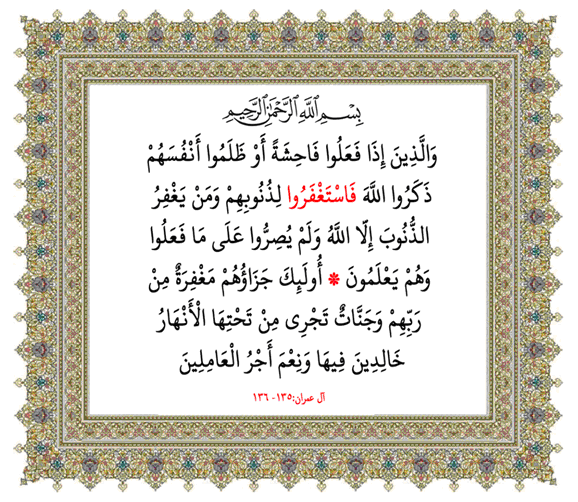
نحييكم بأطيب تحية: السلام عليكم ورحمة الله وبركاته. الحمد لله القائل في محكم كتابه وهو أصدق القائلين: (كِتَابٌ أَنزَلْنَاهُ إِلَيْكَ مُبَارَكٌ لِّيَدَّبَّرُوا آيَاتِهِ وَلِيَتَذَكَّرَ أُولُو الْأَلْبَابِ) والصلاة والسلام على رسول الله القائل: "إن الله يرفع بهذا الكتاب أقواما ويضع به آخرين". ثم أما بعد: فتعالوا معنا أحبتنا الكرام, وهلم بنا نحن وإياكم نتجه إلى مائدة القرآن الكريم نتأمل ونتدبر آياته جل وعلا عسى أن ينفعنا ويرفعنا بما فيه من الذكر الحكيم إلى أعلى الدرجات في جنات النعيم, إنه ولي ذلك والقادر عليه. ومع الآيتين الخامسة والثلاثين السادسة والثلاثين بعد المائة من سورة آل عمران. يقول الله تعالى: ﴿وَالَّذِينَ إِذَا فَعَلُوا فَاحِشَةً أَوْ ظَلَمُوا أَنفُسَهُمْ ذَكَرُوا اللَّـهَ فَاسْتَغْفَرُوا لِذُنُوبِهِمْ وَمَن يَغْفِرُ الذُّنُوبَ إِلَّا اللَّـهُ وَلَمْ يُصِرُّوا عَلَىٰ مَا فَعَلُوا وَهُمْ يَعْلَمُونَ ﴿١٣٥﴾ أُولَـٰئِكَ جَزَاؤُهُم مَّغْفِرَةٌ مِّن رَّبِّهِمْ وَجَنَّاتٌ تَجْرِي مِن تَحْتِهَا الْأَنْهَارُ خَالِدِينَ فِيهَا وَنِعْمَ أَجْرُ الْعَامِلِينَ﴾. آل عمران ١٣٦

قال نخبة من المفسرين: والذين إذا ارتكبوا ذنبًا كبيرًا أو ظلموا أنفسهم بارتكاب ما دونه، ذكروا وعد الله ووعيده فلجئوا إلى ربهم تائبين، يطلبون منه أن يغفر لهم ذنوبهم، وهم موقنون أنه لا يغفر الذنوب إلا الله، فهم لذلك لا يقيمون على معصية، وهم يعلمون أنهم إن تابوا تاب الله عليهم. أولئك الموصوفون بتلك الصفات العظيمة جزاؤهم أن يستر الله ذنوبهم، ولهم جنات تجري من تحت أشجارها وقصورها المياه العذبة، خالدين فيها لا يخرجون منها أبدًا. ونِعْمَ أجر العاملين المغفرة والجنة.

معاشر المؤمنين والمؤمنات: ما أحوجنا في هذا الزمان الذي ادلهمت فيه الخطوب, واشتدت به المصائب والبلايا والمحن, وألـمَّ بالعالم أجمع داء عضال, ووباء فتاك يدعى كورونا, وجائحة كبرى أصابت الكثيرين من الناس في مختلف بقاع العالم, وأفنت خلقا كثيرا منهم, وما ذلك إلا بسبب الفساد الذي عم البلاد والعباد, والظلم الذي استشرى في غياب شرع الله عن الكرة الأرضية, كل ذلك بما كسبت أيدي الناس, فما لهم والحالة هذه إلا العودة إلى الله تعالى, والعمل على تحكيم شرعه وتطبيق منهجه في الحياة والاستغفار والتوبة إلى الله سبحانه لعله يكشف كروبنا, ويذهب همومنا وأحزاننا, ويفك الحظر عنا.    

لقد أمر الله تعالى عباده المؤمنين بالتوبة النصوح، فقال: (يَا أَيُّهَا الَّذِينَ آمَنُوا تُوبُوا إِلَى اللَّهِ تَوْبَةً نَصُوحًا عَسَى رَبُّكُمْ أَنْ يُكَفِّرَ عَنْكُمْ سَيِّئَاتِكُمْ وَيُدْخِلَكُمْ جَنَّاتٍ تَجْرِي مِنْ تَحْتِهَا الْأَنْهَارُ يَوْمَ لَا يُخْزِي اللَّهُ النَّبِيَّ وَالَّذِينَ آمَنُوا مَعَهُ نُورُهُمْ يَسْعَى بَيْنَ أَيْدِيهِمْ وَبِأَيْمَانِهِمْ يَقُولُونَ رَبَّنَا أَتْمِمْ لَنَا نُورَنَا وَاغْفِرْ لَنَا إِنَّكَ عَلَى كُلِّ شَيْءٍ قَدِيرٌ). (التحريم 8)

معاشر المؤمنين والمؤمنات: ولكن التوبة النصوح لها شروط ثلاثة هي: الإقلاع عن الذنب, والندم على ما فات, والعزم على عدم العودة إليه. وإذا كانت التوبة من مظالم العباد في مال أو عرض أو نفس، فتزيد شرطا رابعا، هو: التحلل من صاحب الحق، أو إعطاؤه حقه. قال البغوي رحمه الله: "وَاخْتَلَفُوا فِي مَعْنَاهَا: قَالَ عُمَرُ وَأُبَيٌّ وَمُعَاذٌ: "التَّوْبَةُ النَّصُوحُ" أَنْ يَتُوبَ ثُمَّ لَا يَعُودَ إِلَى الذَّنْبِ، كَمَا لَا يَعُودُ اللَّبَنُ إِلَى الضَّرْعِ". وقَالَ الْحَسَنُ: "هِيَ أَنْ يَكُونَ الْعَبْدُ نَادِمًا عَلَى مَا مَضَى؛ مُجْمِعًا عَلَى أَلَّا يَعُودَ فِيهِ". قَالَ الْكَلْبِيُّ: "أَنْ يَسْتَغْفِرَ بِاللِّسَانِ، وَيَنْدَمَ بِالْقَلْبِ، وَيُمْسِكَ بِالْبَدَنِ". قَالَ سَعِيدُ بْنُ الْمُسَيَّبِ: تَوْبَةً تَنْصَحُونَ بِهَا أَنْفُسَكُمْ". وقَالَ الْقُرَظِيُّ: يَجْمَعُهَا أَرْبَعَةُ أَشْيَاءَ: الِاسْتِغْفَارُ بِاللِّسَانِ، وَالْإِقْلَاعُ بِالْأَبْدَانِ، وَإِضْمَارُ تَرْكِ الْعَوْدِ بِالْجَنَانِ، وَمُهَاجَرَةُ سَيِّئِ الْإِخْوَانِ." انتهى. (من تفسير البغوي 8/169)

آيات قرآنية عن الاستغفار:

معاشر المؤمنين والمؤمنات: تؤكد العديد من الآيات القرآنية على التوبة والاستغفار وأهميتهما للمؤمن، ومنها:

  1. قال تعالى: (وَاسْتَغْفِرِ اللَّـهَ إِنَّ اللَّـهَ كَانَ غَفُورًا رَّحِيمًا).
  2. قال تعالى: (وَمَن يَعْمَلْ سُوءًا أَوْ يَظْلِمْ نَفْسَهُ ثُمَّ يَسْتَغْفِرِ اللَّـهَ يَجِدِ اللَّـهَ غَفُورًا رَّحِيمًا).
  3. قال تعالى: (يَا أَيُّهَا الَّذِينَ آمَنُوا تُوبُوا إِلَى اللَّـهِ تَوْبَةً نَّصُوحًا عَسَى رَبُّكُمْ أَن يُكَفِّرَ عَنكُمْ سَيِّئَاتِكُمْ وَيُدْخِلَكُمْ جَنَّاتٍ تَجْرِي مِن تَحْتِهَا الْأَنْهَارُ يَوْمَ لَا يُخْزِي اللَّـهُ النَّبِيَّ وَالَّذِينَ آمَنُوا مَعَهُ نُورُهُمْ يَسْعَى بَيْنَ أَيْدِيهِمْ وَبِأَيْمَانِهِمْ يَقُولُونَ رَبَّنَا أَتْمِمْ لَنَا نُورَنَا وَاغْفِرْ لَنَا إِنَّكَ عَلَى كُلِّ شَيْءٍ قَدِيرٌ).
  4. قال تعالى: (أَنِ اعْبُدُوا اللَّـهَ وَاتَّقُوهُ وَأَطِيعُونِ * يَغْفِرْ لَكُم مِّن ذُنُوبِكُمْ وَيُؤَخِّرْكُمْ إِلَى أَجَلٍ مُّسَمًّى إِنَّ أَجَلَ اللَّـهِ إِذَا جَاءَ لَا يُؤَخَّرُ لَوْ كُنتُمْ تَعْلَمُونَ).
  5. قال تعالى: (وَأَنِ اسْتَغْفِرُوا رَبَّكُمْ ثُمَّ تُوبُوا إِلَيْهِ يُمَتِّعْكُم مَّتَاعًا حَسَنًا إِلَىٰ أَجَلٍ مُّسَمًّى وَيُؤْتِ كُلَّ ذِي فَضْلٍ فَضْلَهُ وَإِن تَوَلَّوْا فَإِنِّي أَخَافُ عَلَيْكُمْ عَذَابَ يَوْمٍ كَبِيرٍ). (هود 3)
  6. قال تعالى: (إِنَّ الَّذِينَ يَتْلُونَ كِتَابَ اللَّـهِ وَأَقَامُوا الصَّلَاةَ وَأَنفَقُوا مِمَّا رَزَقْنَاهُمْ سِرًّا وَعَلَانِيَةً يَرْجُونَ تِجَارَةً لَّن تَبُورَ، لِيُوَفِّيَهُمْ أُجُورَهُمْ وَيَزِيدَهُم مِّن فَضْلِهِ إِنَّهُ غَفُورٌ شَكُورٌ).

معاشر المؤمنين والمؤمنات: وردت أحاديث متعددة عن التوبة والاستغفار وما لهما من أهميّة، وهي كالآتي:

  1. قال رسول الله صلى الله عليه وسلم: "واللَّهِ إنِّي لَأَسْتَغْفِرُ اللَّهَ وأَتُوبُ إلَيْهِ في اليَومِ أكْثَرَ مِن سَبْعِينَ مَرَّةً".
  2. وروي عن أبي هريرة أنّه قال، قال رسول الله r: "وَالَّذِي نَفْسِي بِيَدِهِ لو لَمْ تُذْنِبُوا لَذَهَبَ اللَّهُ بِكُمْ، وَلَجَاءَ بِقَوْمٍ يُذْنِبُونَ، فَيَسْتَغْفِرُونَ اللَّهَ فَيَغْفِرُ لهمْ".
  3. وقال النبي صلى الله عليه وسلم: "إنَّ المؤمِنَ إذا أَذنَبَ كانتْ نُكتةٌ سَوداءُ في قلْبِه، فإنْ تابَ ونَزَعَ واستَغفرَ؛ صُقِلَ قلْبُه، وإنْ زادَ زادَتْ، حتَّى يَعلوَ قلْبَه ذاكَ الرَّينُ الَّذي ذَكَر اللهُ عزَّ وجلَّ في القرآنِ: (كَلَّا بَلْ رَانَ عَلَى قُلُوبِهِمْ مَا كَانُوا يَكْسِبُونَ)".
  4. روي عن أبي بكر الصديق رضي الله عنه أنّه قال للرسول صلى الله عليه وسلم: "عَلِّمْنِي دُعَاءً أدْعُو به في صَلَاتِي، قالَ: قُلْ: اللَّهُمَّ إنِّي ظَلَمْتُ نَفْسِي ظُلْمًا كَثِيرًا، ولَا يَغْفِرُ الذُّنُوبَ إلَّا أنْتَ، فَاغْفِرْ لي مَغْفِرَةً مِن عِندِكَ، وارْحَمْنِي، إنَّكَ أنْتَ الغَفُورُ الرَّحِيمُ".
  5. عن عائشة رضي الله عنها أنها قالت: "قال لي رسولُ اللهِ صلى الله عليه وسلم: يا عائِشةُ، إنْ كُنتِ ألْمَمْتِ بذَنبٍ فاستَغْفِري اللهَ؛ فإنَّ التَّوبةَ مِن الذَّنبِ: النَّدَمُ والاستِغْفارُ".
  6. روي عن ابن عمر رضي الله عنه: "كان يُعَدُّ لرسولِ اللهِ صلى الله عليه وسلم في المَجْلِسِ الواحدِ مائةُ مَرَّةٍ من قبلِ أن يقومَ ربِّ اغفِرْ لي وتُبْ عليَّ إنك أنت التوابُ الغفورُ".
  7. عن النبي صلى الله عليه وسلم قال: "مَن أَحَبَّ أن تَسُرَّه صحيفتُه ، فَلْيُكْثِرْ فيها من الاستغفارِ".

معاشر المؤمنين والمؤمنات: ادعوا الله وأنتم موقنون بالإجابة:

اللهم اجعل شهر القرآن الكريم هذا, شهر عز ونصر وتمكين للإسلام والمسلمين بقيام دولة الخلافة الثانية على منهاج النبوة, واجعلنا اللهمَّ ممَّن يتدبرون آياتك, فيأتمرون بأمرك, وينتهون عن نهيك: يستمعون القول فيتبعون أحسنه, ويقدرونك حق قدرك, ترضى عنهم, ويرضون عنك, واجعلنا اللهم ممن تقبلت منهم الصلاة والصيام, والدعاء والسجود والقيام, ومن عتقائك في هذا الشهر الكريم من النار, وأدخلنا الجنة مع الأبرار, وآخر دعوانا أن الحمد لله رب العالمين. 

More from null

Reflections on the book: "Elements of the Islamic Psyche" - Episode Fifteen

Reflections on the book: "Elements of the Islamic Psyche"

Prepared by Professor Muhammad Ahmad Al-Nadi

Episode Fifteen

Praise be to God, Lord of the Worlds, and prayers and peace be upon the Imam of the pious, the Master of the Messengers, sent as a mercy to the worlds, our master Muhammad and all his family and companions. Make us with them, and gather us in their company, by your mercy, O Most Merciful of the merciful.

Dear listeners, listeners of the Media Office Radio of Hizb ut-Tahrir:

Peace, mercy, and blessings of God be upon you. In this episode, we continue our reflections on the book: "Elements of the Islamic Psyche." In order to build the Islamic personality, with attention to the Islamic mentality and the Islamic psyche, we say, with God's help: 

O Muslims:

We said in the last episode: It is also Sunnah for a Muslim to supplicate for his brother behind his back, just as it is Sunnah for him to ask his brother to supplicate for him. It is Sunnah for him to visit him, sit with him, keep in touch with him, and share with him for the sake of God after loving him. It is recommended for a Muslim to meet his brother with what he likes to please him with that. We add in this episode and say: It is recommended for a Muslim to give gifts to his brother, according to the hadith of Abu Hurairah, which was reported by Bukhari in Al-Adab Al-Mufrad, Abu Ya'la in his Musnad, Al-Nasa'i in Al-Kuna, and Ibn Abd Al-Barr in Al-Tamhid. Al-Iraqi said: The chain of narrators is good, and Ibn Hajar said in Al-Talkhis Al-Habir: Its chain of narrators is good, he said: The Messenger of God, may God bless him and grant him peace, said: "Exchange gifts, you will love one another." 

It is also recommended for him to accept his gift and reward him for it, according to the hadith of Aisha in Bukhari, who said: "The Messenger of God, may God bless him and grant him peace, used to accept gifts and reward for them."

And the hadith of Ibn Umar in Ahmad, Abu Dawood, and Al-Nasa'i, who said: The Messenger of God, may God bless him and grant him peace, said: "Whoever seeks refuge in God, grant him refuge, and whoever asks you in the name of God, give him, and whoever seeks protection in God, protect him, and whoever does you a favor, reward him, and if you do not find anything, then supplicate for him until you know that you have rewarded him."

This is between brothers, and it has nothing to do with the gifts of the subjects to the rulers, as they are like bribery, which is forbidden. And one of the rewards is to say: May God reward you with good. 

Al-Tirmidhi narrated from Usama bin Zaid, may God be pleased with them both, and said it is good and authentic, he said: The Messenger of God, may God bless him and grant him peace, said: "Whoever has a favor done to him and says to the one who did it: "May God reward you with good," then he has exaggerated in the praise." And praise is gratitude, i.e., reward, especially from someone who finds nothing else, as Ibn Hibban narrated in his Sahih from Jabir bin Abdullah, who said: I heard the Prophet, may God bless him and grant him peace, say: "Whoever is given a favor and does not find anything better than praise for it, then he has thanked him, and whoever conceals it has disbelieved, and whoever adorns himself with falsehood is like one who wears two garments of falsehood." And with a good chain of narrators, Al-Tirmidhi narrated from Jabir bin Abdullah, who said: The Messenger of God, may God bless him and grant him peace, said: "Whoever is given a gift and finds something to repay it with, let him repay it, and if he does not find anything, let him praise it, for whoever praises it has thanked him, and whoever conceals it has disbelieved, and whoever adorns himself with what he has not been given is like one who wears two garments of falsehood." And disbelieving in the gift means concealing and covering it up. 

With an authentic chain of narrators, Abu Dawood and Al-Nasa'i narrated from Anas, who said: "The Muhajirun said, "O Messenger of God, the Ansar have taken all the reward, we have not seen a people who are better at giving a lot, nor better at consoling in a little than them, and they have spared us the burden," he said: "Do you not praise them for it and supplicate for them?" They said: "Yes," he said: "That is for that." 

A Muslim should be grateful for the little as he is grateful for the much, and be grateful to the people who do him good, as Abdullah bin Ahmad narrated in his additions with a good chain of narrators from Al-Nu'man bin Bashir, who said: The Messenger of God, may God bless him and grant him peace, said: "Whoever is not grateful for the little, is not grateful for the much, and whoever is not grateful to the people, is not grateful to God, and talking about God's blessings is gratitude, and leaving it is disbelief, and the group is mercy, and division is torment."

It is Sunnah to intercede for one's brother for a benefit of righteousness or to facilitate a difficulty, as Al-Bukhari narrated from Abu Musa, who said: "The Prophet, may God bless him and grant him peace, was sitting when a man came asking, or seeking a need, he turned his face to us and said, "Intercede, so that you may be rewarded, and God will decree on the tongue of His Prophet what He wills."

And as Muslim narrated from Ibn Umar from the Prophet, may God bless him and grant him peace, who said: "Whoever is a connection for his Muslim brother to a person of authority for a benefit of righteousness or to facilitate a difficulty, will be helped to cross the Path on the day when feet slip."

It is also recommended for a Muslim to defend the honor of his brother behind his back, as Al-Tirmidhi narrated and said this is a good hadith from Abu Al-Darda' from the Prophet, may God bless him and grant him peace, who said: "Whoever defends the honor of his brother, God will ward off the fire from his face on the Day of Resurrection." This hadith of Abu Al-Darda' was narrated by Ahmad, and he said its chain of narrators is good, and Al-Haythami said the same. 

And what Ishaq bin Rahwayh narrated from Asma bint Yazid, who said: I heard the Messenger of God, may God bless him and grant him peace, say: "Whoever defends the honor of his brother behind his back, it is a right upon God to free him from the Fire." 

Al-Quda'i narrated in Musnad al-Shihab from Anas, who said: The Messenger of God, may God bless him and grant him peace, said: "Whoever supports his brother behind his back, God will support him in this world and the hereafter." Al-Quda'i also narrated it from Imran bin Hussein with the addition: "And he is able to support him." And as Abu Dawood and Al-Bukhari narrated in Al-Adab Al-Mufrad, and Al-Zain Al-Iraqi said: Its chain of narrators is good from Abu Hurairah that the Messenger of God, may God bless him and grant him peace, said: "The believer is the mirror of the believer, and the believer is the brother of the believer, from wherever he meets him, he protects him from his loss and surrounds him from behind."

O Muslims:

You have learned from the noble Prophetic hadiths mentioned in this episode and the previous episode that it is Sunnah for whoever loves a brother for the sake of God to inform him and let him know that he loves him. It is also Sunnah for a Muslim to supplicate for his brother behind his back. It is also Sunnah for him to ask his brother to supplicate for him. It is Sunnah for him to visit him, sit with him, keep in touch with him, and share with him for the sake of God after loving him. It is recommended for a Muslim to meet his brother with what he likes to please him with that. It is recommended for a Muslim to give gifts to his brother. It is also recommended for him to accept his gift and reward him for it.

A Muslim should be grateful to the people who do him good. It is Sunnah to intercede for one's brother for a benefit of righteousness or to facilitate a difficulty. It is also recommended for him to defend the honor of his brother behind his back. So why don't we adhere to these Sharia rulings and all the rulings of Islam, so that we may be as our Lord loves and is pleased with, so that He may change what is within us, improve our conditions, and we may win the best of this world and the hereafter?! 

Dear listeners: Listeners of the Media Office Radio of Hizb ut-Tahrir: 

We will suffice with this amount in this episode, with the understanding that we will complete our reflections in the coming episodes, God willing. Until that time and until we meet you, we leave you in God's care, protection, and security. We thank you for your kind listening, and peace, mercy, and blessings of God be upon you. 

Know, O Muslims! - Episode 15
November 14, 2025

Know, O Muslims! - Episode 15

Know, O Muslims!

Episode 15

Among the assisting bodies of the Khilafah state are the ministers whom the Caliph appoints to assist him in bearing the burdens of the Khilafah and fulfilling its responsibilities. The multitude of the Khilafah's burdens, especially as the Khilafah state grows and expands, makes it difficult for the Caliph to bear them alone, so he needs someone to help him bear them to fulfill its responsibilities. However, it is not correct to call them ministers without restriction, so that the meaning of the minister in Islam, which is in the sense of an assistant, is not confused with the meaning of the minister in the current man-made systems based on democratic, capitalist, secular, or other systems that we witness in the present era.