تقرير منتدى قضايا الأمة لشهر تشرين الأول/أكتوبر 2022م "الدستور الانتقالي وإرهاصات التسوية"
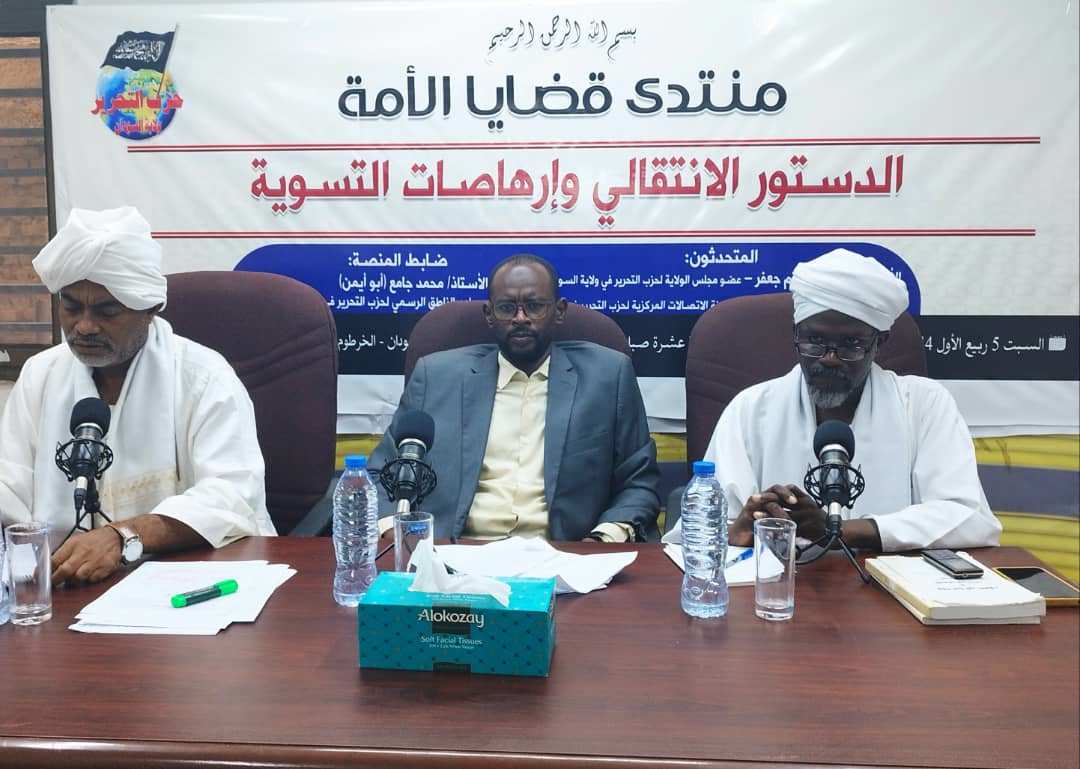
أقام المكتب الإعلامي لحزب التحرير في ولاية السودان، منتدى قضايا الأمة لشهر تشرين الأول/أكتوبر يوم السبت 1/10/2022م، بعنوان: "الدستور الإنتقالي وإرهاصات التسوية"، وقد تحدث فيه: ...

0:00 0:00
Speed:
October 08, 2022

تقرير منتدى قضايا الأمة لشهر تشرين الأول/أكتوبر 2022م "الدستور الانتقالي وإرهاصات التسوية"

تقرير منتدى قضايا الأمة لشهر تشرين الأول/أكتوبر 2022م

"الدستور الانتقالي وإرهاصات التسوية"

 khabarsahafi

أقام المكتب الإعلامي لحزب التحرير في ولاية السودان، منتدى قضايا الأمة لشهر تشرين الأول/أكتوبر يوم السبت 1/10/2022م، بعنوان: "الدستور الإنتقالي وإرهاصات التسوية"، وقد تحدث فيه:

  • المحامي والمستشار القانوني الأستاذ حاتم جعفر – عضو مجلس الولاية لحزب التحرير/ ولاية السودان.
  • والأستاذ عبد الله حسين – منسق لجنة الاتصالات المركزية لحزب التحرير/ ولاية السودان.
  • وضابط المنصة الأستاذ محمد جامع (أبو أيمن) – مساعد الناطق الرسمي لحزب التحرير/ ولاية السودان.

الورقة الأولى قدمها الأستاذ حاتم جعفر بعنوان: "مشروع الدستور الانتقالي قراءة للسطور وما وراء السطور"، تناول فيها عدداً من النقاط التي تبين مخالفة هذا الدستور للإسلام منها:

1- تأسيسه للحياة على أساس الكفر حيث جعل السيادة للشعب وليس للشرع، وأقر النظام الحكم الديمقراطي البرلماني، ووقوف الدولة على مسافة واحدة من الإسلام والكفر، وقد قال تعالى: ﴿وَمَن لَّمْ يَحْكُم بِمَا أنزَلَ اللَّهُ فَأُوْلَئِكَ هُمُ الظَّالِمُونَ﴾.

2- جاء في الدستور أن المواطنة أساس الحقوق والواجبات وليس الإسلام.

3- في وثيقة الحقوق والحريات جاء النص صريحاً بعدم تعديلها، وما ورد فيها الالتزام بالاتفاقيات والمواثيق الدولية مثل سيداو واتفاقيات الطفل التي تدعو لتدمير الأسرة.

4- مراجعة القوانين والتشريعات خلال 6 أشهر لتتفق مع الحريات والحقوق الواردة في الدستور.

5- ثبَّت حقوق المرأة بناء على ما جاء في الاتفاقيات الدولية وليس على أساس الإسلام.

6- أسس للحريات بناء على المنهج الغربي الرأسمالي ومنها حرية الفكر والتعبير، التي تسمح بالارتداد والإساءة للدين كما في رسوم صحيفة شارلي إيبدو الفرنسية.

7- تكوين الأحزاب على الأساس الديمقراطي العلماني وليس على أساس الشرع حيث ألزمت الوثيقة أن تكون عضوية الحزب متاحة لكل سوداني مع الالتزام بتعزيز الديمقراطية.

8- تكوين المجلس التشريعي لسن القوانين والتشريعات وفيه مخالفة واضحة لطريقة المسلمين في استنباط الأحكام، حيث لا تشريع في الإسلام لغير الله سبحانه، ولا اعتبار للأغلبية في تشريع الأحكام.

9- أسس لتمزيق البلاد بالنظام الفيدرالي، وجعل اتفاقية التمزيق اتفاقية جوبا جزءاً من الدستور.

10- أقرَّ نظام الحواكير برغم آثاره الكارثية على أهل البلاد في صنع الصراعات القبلية.

11- لم يراعِ الدستور مفهوم الرعاية ومسؤولية الدولة عن الناس حيث وردت مادة واحدة عن الصحة، مجانية خدمات الطوارئ فقط، ومادة واحدة فقط عن التعليم وتنص على استقلال الجامعات ومراكز البحث العلمي.. وكل النظام الاقتصادي في الدستور مادة واحدة من ثلاثة بنود.. ومادة واحدة فقط عن السياسة الخارجية.

وأشار الأستاذ حاتم إلى تناقضات في نصوص الدستور منها: إنشاء مجلس أعلى للقضاء تختار رئيسه القوى الموقعة على الإعلان السياسي... ثم ورد في الدستور: لا يجوز أن يخضع تعيين القضاة لمحاصصات حزبية أو سياسية.. وأن الدستور نص على المساواة أمام القانون... ثم يعطي الدستور حصانة إجرائية لجميع أطقم الدستوريين.

  • المتحدث الثاني: الأستاذ عبد الله حسين قدم ورقة بعنوان: "ملامح الدستور في الإسلام"

عرض فيها عدداً من مواد مشروع دستور دولة الخلافة الذي أعده حزب التحرير بعد دراسة وعمق والذي يتكون من 191 مادة مصحوبة بالأدلة؛ منها المادة 1 التي أشارت إلى أن "العقيدة الإسلامية هي أساس الدولة بحيث لا يتأتى وجود شيء في كيانها أو جهازها أو محاسبتها أو كل ما يتعلق بها، إلا بجعل العقيدة الإسلامية أساساً له". وفي المادة 7 "تنفذ الدولة الشرع الإسلامي على جميع الذين يحملون التابعية الإسلامية سواء أكانوا مسلمين أم غير مسلمين.. ويترك غير المسلمين وما يعتقدون وما يعبدون ضمن النظام العام كما يعامل غير المسلمين في أمور المطعومات والملبوسات حسب أديانهم ضمن ما تجيزه الأحكام الشرعية. وتفصل أمور الزواج والطلاق بين غير المسلمين حسب أديانهم، وتفصل بينهم وبين المسلمين حسب أحكام الإسلام. وتنفذ الدولة باقي الأحكام الشرعية وسائر أمور الشريعة الإسلامية من معاملات وعقوبات وبينات ونظم حكم واقتصاد وغير ذلك على الجميع". وفي المادة 8 "اللغة العربية هي وحدها لغة الإسلام". وفي المادة 11 أن "حمل الدعوة الإسلامية هو العمل الأصلي للدولة". وفي المادة 16 "نظام الحكم هو نظام وحدة وليس نظاماً اتحادياً". والمادة 21 "للمسلمين الحق في إقامة أحزاب سياسية لمحاسبة الحكام، أو الوصول للحكم عن طريق الأمة على شرط أن يكون أساسها العقيدة الإسلامية.. ويمنع أي تكتل يقوم على غير أساس الإسلام".

وأكد الأستاذ عبد الله أن نظام الحكم في الإسلام يقوم على أربع قواعد هي: السيادة للشرع لا للشعب، والسلطان للأمة، ونصب خليفة واحد فرض على المسلمين، وللخليفة وحده حق تبني الأحكام. وفي المادة 61 "تتولى دائرة الحربية جميع الشؤون المتعلقة بالقوات المسلحة من جيش وشرطة ومعدات ومهمات وعتاد وما شاكل ذلك. ومن كليات عسكرية، وبعثات عسكرية، وكل ما يلزم من الثقافة الإسلامية، والثقافة العامة للجيش، وكل ما يتعلق بالحرب والإعداد لها، ورئيس هذه الدائرة يسمى أمير الجهاد". وفي النظام الاجتماعي المادة 112 "الأصل في المرأة أنها أم وربة بيت، وهي عرض يجب أن يصان". وفي النظام الاقتصادي المادة 125 "يجب أن يُضْمَنَ إشباع جميع الحاجات الأساسية لجميع الأفراد فرداً فرداً إشباعاً كلياً، وأن يُضْمَنَ تمكين كل فرد منهم من إشباع الحاجات الكمالية على أرفع مستوى مستطاع". وفي السياسة الخارجية في المادة 182 "لا يجوز لأي فرد، أو حزب، أو كتلة، أو جماعة، أن تكون لهم علاقة بأية دولة من الدول الأجنبية مطلقاً".

وبيَّن أن هذا الدستور متكامل قادر على علاج كل المشاكل إذا وصل إلى سدة الحكم بتطبيقه عبر دولة الخلافة الراشدة على منهاج النبوة.

فقرة التفاعل:

شارك بالنقاش والمداخلات والتعقيبات عدد مقدر من السياسيين والعلماء والإعلاميين منهم:

الإعلامي والكاتب الصحفي الأستاذ محمد مبروك، والأستاذ إبراهيم حسن - قيادي بحزب الأمة، والأستاذ مكيم أقوير، والأستاذ آدم دينق مشاك – نداء أبناء الوطن الأحرار لوحدة السودان، وغيرهم... حيث كانت النقاشات قوية، أجاب عنها المتحدثان بشكل قوي وراقٍ.

في نهاية المنتدى شكر ضابط المنصة الحضور على حسن الاستماع والمشاركة.

مندوب المكتب الإعلامي المركزي لحزب التحرير

في ولاية السودان

More from null

Reflections on the book: "Elements of the Islamic Psyche" - Episode Fifteen

Reflections on the book: "Elements of the Islamic Psyche"

Prepared by Professor Muhammad Ahmad Al-Nadi

Episode Fifteen

Praise be to God, Lord of the Worlds, and prayers and peace be upon the Imam of the pious, the Master of the Messengers, sent as a mercy to the worlds, our master Muhammad and all his family and companions. Make us with them, and gather us in their company, by your mercy, O Most Merciful of the merciful.

Dear listeners, listeners of the Media Office Radio of Hizb ut-Tahrir:

Peace, mercy, and blessings of God be upon you. In this episode, we continue our reflections on the book: "Elements of the Islamic Psyche." In order to build the Islamic personality, with attention to the Islamic mentality and the Islamic psyche, we say, with God's help: 

O Muslims:

We said in the last episode: It is also Sunnah for a Muslim to supplicate for his brother behind his back, just as it is Sunnah for him to ask his brother to supplicate for him. It is Sunnah for him to visit him, sit with him, keep in touch with him, and share with him for the sake of God after loving him. It is recommended for a Muslim to meet his brother with what he likes to please him with that. We add in this episode and say: It is recommended for a Muslim to give gifts to his brother, according to the hadith of Abu Hurairah, which was reported by Bukhari in Al-Adab Al-Mufrad, Abu Ya'la in his Musnad, Al-Nasa'i in Al-Kuna, and Ibn Abd Al-Barr in Al-Tamhid. Al-Iraqi said: The chain of narrators is good, and Ibn Hajar said in Al-Talkhis Al-Habir: Its chain of narrators is good, he said: The Messenger of God, may God bless him and grant him peace, said: "Exchange gifts, you will love one another." 

It is also recommended for him to accept his gift and reward him for it, according to the hadith of Aisha in Bukhari, who said: "The Messenger of God, may God bless him and grant him peace, used to accept gifts and reward for them."

And the hadith of Ibn Umar in Ahmad, Abu Dawood, and Al-Nasa'i, who said: The Messenger of God, may God bless him and grant him peace, said: "Whoever seeks refuge in God, grant him refuge, and whoever asks you in the name of God, give him, and whoever seeks protection in God, protect him, and whoever does you a favor, reward him, and if you do not find anything, then supplicate for him until you know that you have rewarded him."

This is between brothers, and it has nothing to do with the gifts of the subjects to the rulers, as they are like bribery, which is forbidden. And one of the rewards is to say: May God reward you with good. 

Al-Tirmidhi narrated from Usama bin Zaid, may God be pleased with them both, and said it is good and authentic, he said: The Messenger of God, may God bless him and grant him peace, said: "Whoever has a favor done to him and says to the one who did it: "May God reward you with good," then he has exaggerated in the praise." And praise is gratitude, i.e., reward, especially from someone who finds nothing else, as Ibn Hibban narrated in his Sahih from Jabir bin Abdullah, who said: I heard the Prophet, may God bless him and grant him peace, say: "Whoever is given a favor and does not find anything better than praise for it, then he has thanked him, and whoever conceals it has disbelieved, and whoever adorns himself with falsehood is like one who wears two garments of falsehood." And with a good chain of narrators, Al-Tirmidhi narrated from Jabir bin Abdullah, who said: The Messenger of God, may God bless him and grant him peace, said: "Whoever is given a gift and finds something to repay it with, let him repay it, and if he does not find anything, let him praise it, for whoever praises it has thanked him, and whoever conceals it has disbelieved, and whoever adorns himself with what he has not been given is like one who wears two garments of falsehood." And disbelieving in the gift means concealing and covering it up. 

With an authentic chain of narrators, Abu Dawood and Al-Nasa'i narrated from Anas, who said: "The Muhajirun said, "O Messenger of God, the Ansar have taken all the reward, we have not seen a people who are better at giving a lot, nor better at consoling in a little than them, and they have spared us the burden," he said: "Do you not praise them for it and supplicate for them?" They said: "Yes," he said: "That is for that." 

A Muslim should be grateful for the little as he is grateful for the much, and be grateful to the people who do him good, as Abdullah bin Ahmad narrated in his additions with a good chain of narrators from Al-Nu'man bin Bashir, who said: The Messenger of God, may God bless him and grant him peace, said: "Whoever is not grateful for the little, is not grateful for the much, and whoever is not grateful to the people, is not grateful to God, and talking about God's blessings is gratitude, and leaving it is disbelief, and the group is mercy, and division is torment."

It is Sunnah to intercede for one's brother for a benefit of righteousness or to facilitate a difficulty, as Al-Bukhari narrated from Abu Musa, who said: "The Prophet, may God bless him and grant him peace, was sitting when a man came asking, or seeking a need, he turned his face to us and said, "Intercede, so that you may be rewarded, and God will decree on the tongue of His Prophet what He wills."

And as Muslim narrated from Ibn Umar from the Prophet, may God bless him and grant him peace, who said: "Whoever is a connection for his Muslim brother to a person of authority for a benefit of righteousness or to facilitate a difficulty, will be helped to cross the Path on the day when feet slip."

It is also recommended for a Muslim to defend the honor of his brother behind his back, as Al-Tirmidhi narrated and said this is a good hadith from Abu Al-Darda' from the Prophet, may God bless him and grant him peace, who said: "Whoever defends the honor of his brother, God will ward off the fire from his face on the Day of Resurrection." This hadith of Abu Al-Darda' was narrated by Ahmad, and he said its chain of narrators is good, and Al-Haythami said the same. 

And what Ishaq bin Rahwayh narrated from Asma bint Yazid, who said: I heard the Messenger of God, may God bless him and grant him peace, say: "Whoever defends the honor of his brother behind his back, it is a right upon God to free him from the Fire." 

Al-Quda'i narrated in Musnad al-Shihab from Anas, who said: The Messenger of God, may God bless him and grant him peace, said: "Whoever supports his brother behind his back, God will support him in this world and the hereafter." Al-Quda'i also narrated it from Imran bin Hussein with the addition: "And he is able to support him." And as Abu Dawood and Al-Bukhari narrated in Al-Adab Al-Mufrad, and Al-Zain Al-Iraqi said: Its chain of narrators is good from Abu Hurairah that the Messenger of God, may God bless him and grant him peace, said: "The believer is the mirror of the believer, and the believer is the brother of the believer, from wherever he meets him, he protects him from his loss and surrounds him from behind."

O Muslims:

You have learned from the noble Prophetic hadiths mentioned in this episode and the previous episode that it is Sunnah for whoever loves a brother for the sake of God to inform him and let him know that he loves him. It is also Sunnah for a Muslim to supplicate for his brother behind his back. It is also Sunnah for him to ask his brother to supplicate for him. It is Sunnah for him to visit him, sit with him, keep in touch with him, and share with him for the sake of God after loving him. It is recommended for a Muslim to meet his brother with what he likes to please him with that. It is recommended for a Muslim to give gifts to his brother. It is also recommended for him to accept his gift and reward him for it.

A Muslim should be grateful to the people who do him good. It is Sunnah to intercede for one's brother for a benefit of righteousness or to facilitate a difficulty. It is also recommended for him to defend the honor of his brother behind his back. So why don't we adhere to these Sharia rulings and all the rulings of Islam, so that we may be as our Lord loves and is pleased with, so that He may change what is within us, improve our conditions, and we may win the best of this world and the hereafter?! 

Dear listeners: Listeners of the Media Office Radio of Hizb ut-Tahrir: 

We will suffice with this amount in this episode, with the understanding that we will complete our reflections in the coming episodes, God willing. Until that time and until we meet you, we leave you in God's care, protection, and security. We thank you for your kind listening, and peace, mercy, and blessings of God be upon you. 

Know, O Muslims! - Episode 15
November 14, 2025

Know, O Muslims! - Episode 15

Know, O Muslims!

Episode 15

Among the assisting bodies of the Khilafah state are the ministers whom the Caliph appoints to assist him in bearing the burdens of the Khilafah and fulfilling its responsibilities. The multitude of the Khilafah's burdens, especially as the Khilafah state grows and expands, makes it difficult for the Caliph to bear them alone, so he needs someone to help him bear them to fulfill its responsibilities. However, it is not correct to call them ministers without restriction, so that the meaning of the minister in Islam, which is in the sense of an assistant, is not confused with the meaning of the minister in the current man-made systems based on democratic, capitalist, secular, or other systems that we witness in the present era.