تقرير منتدى قضايا الأمة لشهر تشرين الثاني/نوفمبر 2022م "الخطاب السياسي العنصري… لا يقضي عليه إلا الخلافة"
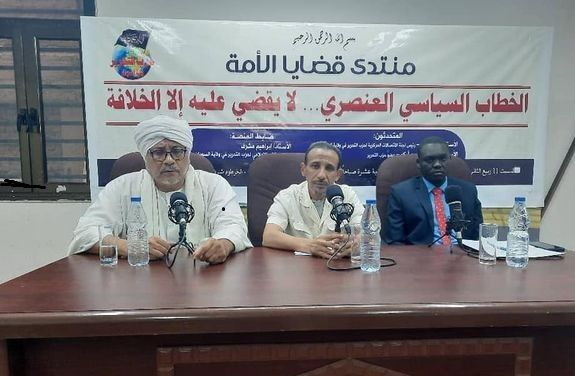

أقام المكتب الإعلامي لحزب التحرير/ ولاية السودان منتدى قضايا الأمة الشهري يوم السبت 11 ربيع الآخر 1444هـ، الموافق 2022/11/05م، بعنوان: (الخطاب السياسي العنصري… لا يقضي عليه إلا الخلافة)، وقد تحدث في المنتدى: ...

0:00 0:00
Speed:
November 12, 2022

تقرير منتدى قضايا الأمة لشهر تشرين الثاني/نوفمبر 2022م "الخطاب السياسي العنصري… لا يقضي عليه إلا الخلافة"

تقرير منتدى قضايا الأمة لشهر تشرين الثاني/نوفمبر 2022م

"الخطاب السياسي العنصري… لا يقضي عليه إلا الخلافة"

2022 11 05 SDN QDYA PNL REP

أقام المكتب الإعلامي لحزب التحرير/ ولاية السودان منتدى قضايا الأمة الشهري يوم السبت 11 ربيع الآخر 1444هـ، الموافق 2022/11/05م، بعنوان: (الخطاب السياسي العنصري… لا يقضي عليه إلا الخلافة)، وقد تحدث في المنتدى:

1- الأستاذ ناصر رضا – رئيس لجنة الاتصالات المركزية لحزب التحرير/ ولاية السودان

2- الأستاذ المحامي أحمد أبكر – عضو مجلس الولاية لحزب التحرير/ ولاية السودان

وضابط المنصة الأستاذ إبراهيم مشرف – عضو المكتب الإعلامي لحزب التحرير/ ولاية السودان

كان المتحدث الأول الأستاذ ناصر رضا الذي ألقى الضوء على موضوع الخطاب العنصري الذي يذكي نار الحرب والفتنة، خاصة مع انتشار النعرات، وتسميم الأجواء بالكتابات العنصرية في وسائط التواصل الإلكتروني، ومثل الكتاب الأسود، وكذلك إقامة اتفاقات سياسية على أسس جهوية ترعاها الدول الاستعمارية عدوة الإسلام والمسلمين خاصة أمريكا وبريطانيا، مثل اتفاق نيفاشا الذي فصل جنوب السودان، واتفاق جوبا الذي قسم أهل البلاد إلى مسارات، ومثل انتشار مصطلحات قذرة مثل الجلابة والزرقة، والغرابة والشريط النيلي، وانتشار النكات ذات الطابع العنصري، فهذه المصطلحات الخطيرة مصنوعة صناعة ماكرة ومحبوكة بخبث شديد، تصنعها دوائر استخباراتية ترعاها سفارات الدول الاستعمارية في السودان، وهي تنقل العلاقة بين المسلمين من أخوة الإسلام ﴿إِنَّمَا الْمُؤْمِنُونَ إِخْوَةٌ﴾، إلى علاقات عنصرية بغيضة، وعندما يحتد الصراع القبلي تتجه هذه الجهات إلى المستعمر الإنجليزي لمعرفة الحقوق التاريخية، خاصة في ظل مقدمات ساقها الوجود الاستعماري الإنجليزي ثم تبعته الحكومات المسماة وطنية مثل سياسات المناطق المقفولة، وابتداع نظام الإدارة الأهلية، وتقسيم الأراضي والسلطات السياسية والمالية والقانونية في البلاد بما يعرف بالحواكير والتي بموجبها أعطت الحكومة الاستعمارية ناظر القبيلة المهيمنة في الحاكورة سلطة الملكية على الأرض وسلطات قانونية ومالية، ما خلق حالة من الصراع على الموارد والثروات أو فلنقل صراع البقاء.. ثم جاءت الحكومات المتعاقبة فسارت على الطريق نفسه؛ أقرت نظام الحواكير، واستغلت نظام الإدارة الأهلية في استقطاب التأييد السياسي من قبل زعماء قبائل وعشائر جدد، ما جعل الصراع على الثروات والموارد وعلى السلطة على أشده.. ثم ما سنته من قوانين، مثل القانون الإداري 1970م، وقانون الاستثمار 1990م، الذي بموجبه أخرجت الحكومة الأراضي من أيدي الملاك الحقيقيين إلى المستثمرين أصحاب الأموال ما أوجد الغبن عند الملاك تجاه الدولة وكان ذلك مدخلا للتمرد على الدولة. ثم كانت اتفاقية نيفاشا للسلام المزعوم مع الجنوب مدخلاً جديداً للصراع على الموارد (صراع حواكير) إذ قضى الاتفاق بأن تعطى القبيلة التي تستخرج الثروة من أرضها 2% فزاد من حدة الصراع.. وبعد اكتشاف الثروات المعدنية (الذهب) أفضى الى حروب استئصالية، تطهير عرقي لإخراج المُلاك أهل الأرض التي اكتشفت فيها الثروات أو إفنائهم، وجبل عامر مثال على ذلك.. وأشار الأستاذ ناصر إلى كتاب (القبائل وتشكيل الدولة في الشرق الأوسط) للكاتبين فيليب خوري، وهو أستاذ التاريخ بمعهد ماساتوتس للتكنولوجيا، وجوزيف كوستنر، المحاضر في شئون الشرق الأوسط بجامعة تل أبيب، هذا الكتاب الذي تحدث عن دور القبيلة في الحكم في السابق، والدور الذي يمكن أن تلعبه في الحاضر والمستقبل، وكانت نتيجة دراسات وبحوث تصب جميعها في اتجاه إعادة تقسيم منطقة الشرق الأوسط، على أساس قبلي، أو طائفي، أو إثني.. وكذلك خطة (حدود الدم) التي هندسها عراب مشروع التقسيم المؤرخ والباحث الأمريكي البريطاني برنارد لويس، والذي تتفق هذه الدراسات على أنه صاحب أول مخطط مكتوب ومدعم بالخرائط لتقسيم المنطقة، وقد وضع هذه الخطة سنة 1980م، وبيّن أبو رضا أنه قد ظهرت آثار هذه الخطط اليوم، بما يجري في بلادنا من دعوات لحق تقرير المصير والانفصال والحكم الذاتي...إلخ

المتحدث الثاني: المحامي الأستاذ أحمد أبكر الذي بدأ الحديث بالإشارة إلى كيف أقام النبي ﷺ دولة الإسلام، وكيف صهر الشعوب وجعل منهم أمة واحدة، قال تعالى: ﴿إِنَّمَا الْمُؤْمِنُونَ إِخْوَةٌ﴾، وعَن النُّعْمَان بْن بَشِيْر عَنِ النَّبِيِّ ﷺ قَالَ: «مَثَلُ الْمُؤْمِنِينَ فِي تَوَادِّهِمْ وَتَراحُمِهِم وَتَعَاطُفِهِمْ كَمَثَلِ الْجَسَدِ إِذَا اشْتَكَى مِنْهُ عُضْوٌ مِنْهُ تَدَاعَى لَهُ سَائِرُ الْجَسَدِ بِالسَّهَرِ والْحُمَّى». وطوال عهود الدولة الإسلامية لم تعرف أمة الإسلام، النعرات القبلية ولا الوطنية ولا العنصرية، ولا إدارة التنوع، ولا قبول الآخر، هذه الأفكار التي تروجها الآن الدول الاستعمارية ودوائر مخابراتها، لم تعرفها الأمة إلا بعد هدم دولة الخلافة. وبيَّن واقع القبيلة في الإسلام، وأكد أنها جُعلت للتعارف وصلة الأرحام، لا للتفاضل والتفاخر.

كما بيَّن الأستاذ أحمد أبكر أحكام الأراضي في الإسلام وكيفية التملك من الشراء والإرث والهبة والتحجير والإقطاع والإحياء...إلخ، ووضَّح أنه لا يجوز تعطيل الأرض ولا تجوز حيازتها عن طريق الحواكير.. ولا يجوز تأجير الأرض للزراعة.. وتناول بشكل جميل وراقٍ دور الدولة في حفظ أرواح الناس وأموالهم وأنفسهم، وكيف أن دولة الإسلام حسمت النعرات القبلية في بداية الإسلام وكيف أن لديها المقدرة على حسمها اليوم عند إقامتها، مؤكداً وجوب إقامة دولة الخلافة وفرضيتها وأنها وحدها القادرة على لم الشمل وتوحيد الكلمة وقطع أيادي الكافرين المستعمرين العابثة في البلاد.

فقرة التفاعل:

شارك بالنقاش والمداخلات والتعقيبات عدد مقدر من السياسيين والعلماء والإعلاميين منهم: الإعلامي والكاتب الصحفي الأستاذ محمد مبروك، والدكتور إبراهيم الكاروري الأمين العام لهيئة علماء السودان، والأستاذ مكيم أقوير، نداء أبناء الوطن الأحرار لوحدة السودان، والشيخ سيف الدين الأرباب المراقب العام للإخوان المسلمين وغيرهم... حيث كانت النقاشات قوية أجاب عنها المتحدثان بشكل قوي وراق.

وفي نهاية المنتدى شكر ضابط المنصة، الأستاذ إبراهيم مشرف الحضور على حسن الاستماع والمشاركة.

مندوب المكتب الإعلامي المركزي لحزب التحرير

في ولاية السـودان

More from null

Reflections on the book: "Elements of the Islamic Psyche" - Episode Fifteen

Reflections on the book: "Elements of the Islamic Psyche"

Prepared by Professor Muhammad Ahmad Al-Nadi

Episode Fifteen

Praise be to God, Lord of the Worlds, and prayers and peace be upon the Imam of the pious, the Master of the Messengers, sent as a mercy to the worlds, our master Muhammad and all his family and companions. Make us with them, and gather us in their company, by your mercy, O Most Merciful of the merciful.

Dear listeners, listeners of the Media Office Radio of Hizb ut-Tahrir:

Peace, mercy, and blessings of God be upon you. In this episode, we continue our reflections on the book: "Elements of the Islamic Psyche." In order to build the Islamic personality, with attention to the Islamic mentality and the Islamic psyche, we say, with God's help: 

O Muslims:

We said in the last episode: It is also Sunnah for a Muslim to supplicate for his brother behind his back, just as it is Sunnah for him to ask his brother to supplicate for him. It is Sunnah for him to visit him, sit with him, keep in touch with him, and share with him for the sake of God after loving him. It is recommended for a Muslim to meet his brother with what he likes to please him with that. We add in this episode and say: It is recommended for a Muslim to give gifts to his brother, according to the hadith of Abu Hurairah, which was reported by Bukhari in Al-Adab Al-Mufrad, Abu Ya'la in his Musnad, Al-Nasa'i in Al-Kuna, and Ibn Abd Al-Barr in Al-Tamhid. Al-Iraqi said: The chain of narrators is good, and Ibn Hajar said in Al-Talkhis Al-Habir: Its chain of narrators is good, he said: The Messenger of God, may God bless him and grant him peace, said: "Exchange gifts, you will love one another." 

It is also recommended for him to accept his gift and reward him for it, according to the hadith of Aisha in Bukhari, who said: "The Messenger of God, may God bless him and grant him peace, used to accept gifts and reward for them."

And the hadith of Ibn Umar in Ahmad, Abu Dawood, and Al-Nasa'i, who said: The Messenger of God, may God bless him and grant him peace, said: "Whoever seeks refuge in God, grant him refuge, and whoever asks you in the name of God, give him, and whoever seeks protection in God, protect him, and whoever does you a favor, reward him, and if you do not find anything, then supplicate for him until you know that you have rewarded him."

This is between brothers, and it has nothing to do with the gifts of the subjects to the rulers, as they are like bribery, which is forbidden. And one of the rewards is to say: May God reward you with good. 

Al-Tirmidhi narrated from Usama bin Zaid, may God be pleased with them both, and said it is good and authentic, he said: The Messenger of God, may God bless him and grant him peace, said: "Whoever has a favor done to him and says to the one who did it: "May God reward you with good," then he has exaggerated in the praise." And praise is gratitude, i.e., reward, especially from someone who finds nothing else, as Ibn Hibban narrated in his Sahih from Jabir bin Abdullah, who said: I heard the Prophet, may God bless him and grant him peace, say: "Whoever is given a favor and does not find anything better than praise for it, then he has thanked him, and whoever conceals it has disbelieved, and whoever adorns himself with falsehood is like one who wears two garments of falsehood." And with a good chain of narrators, Al-Tirmidhi narrated from Jabir bin Abdullah, who said: The Messenger of God, may God bless him and grant him peace, said: "Whoever is given a gift and finds something to repay it with, let him repay it, and if he does not find anything, let him praise it, for whoever praises it has thanked him, and whoever conceals it has disbelieved, and whoever adorns himself with what he has not been given is like one who wears two garments of falsehood." And disbelieving in the gift means concealing and covering it up. 

With an authentic chain of narrators, Abu Dawood and Al-Nasa'i narrated from Anas, who said: "The Muhajirun said, "O Messenger of God, the Ansar have taken all the reward, we have not seen a people who are better at giving a lot, nor better at consoling in a little than them, and they have spared us the burden," he said: "Do you not praise them for it and supplicate for them?" They said: "Yes," he said: "That is for that." 

A Muslim should be grateful for the little as he is grateful for the much, and be grateful to the people who do him good, as Abdullah bin Ahmad narrated in his additions with a good chain of narrators from Al-Nu'man bin Bashir, who said: The Messenger of God, may God bless him and grant him peace, said: "Whoever is not grateful for the little, is not grateful for the much, and whoever is not grateful to the people, is not grateful to God, and talking about God's blessings is gratitude, and leaving it is disbelief, and the group is mercy, and division is torment."

It is Sunnah to intercede for one's brother for a benefit of righteousness or to facilitate a difficulty, as Al-Bukhari narrated from Abu Musa, who said: "The Prophet, may God bless him and grant him peace, was sitting when a man came asking, or seeking a need, he turned his face to us and said, "Intercede, so that you may be rewarded, and God will decree on the tongue of His Prophet what He wills."

And as Muslim narrated from Ibn Umar from the Prophet, may God bless him and grant him peace, who said: "Whoever is a connection for his Muslim brother to a person of authority for a benefit of righteousness or to facilitate a difficulty, will be helped to cross the Path on the day when feet slip."

It is also recommended for a Muslim to defend the honor of his brother behind his back, as Al-Tirmidhi narrated and said this is a good hadith from Abu Al-Darda' from the Prophet, may God bless him and grant him peace, who said: "Whoever defends the honor of his brother, God will ward off the fire from his face on the Day of Resurrection." This hadith of Abu Al-Darda' was narrated by Ahmad, and he said its chain of narrators is good, and Al-Haythami said the same. 

And what Ishaq bin Rahwayh narrated from Asma bint Yazid, who said: I heard the Messenger of God, may God bless him and grant him peace, say: "Whoever defends the honor of his brother behind his back, it is a right upon God to free him from the Fire." 

Al-Quda'i narrated in Musnad al-Shihab from Anas, who said: The Messenger of God, may God bless him and grant him peace, said: "Whoever supports his brother behind his back, God will support him in this world and the hereafter." Al-Quda'i also narrated it from Imran bin Hussein with the addition: "And he is able to support him." And as Abu Dawood and Al-Bukhari narrated in Al-Adab Al-Mufrad, and Al-Zain Al-Iraqi said: Its chain of narrators is good from Abu Hurairah that the Messenger of God, may God bless him and grant him peace, said: "The believer is the mirror of the believer, and the believer is the brother of the believer, from wherever he meets him, he protects him from his loss and surrounds him from behind."

O Muslims:

You have learned from the noble Prophetic hadiths mentioned in this episode and the previous episode that it is Sunnah for whoever loves a brother for the sake of God to inform him and let him know that he loves him. It is also Sunnah for a Muslim to supplicate for his brother behind his back. It is also Sunnah for him to ask his brother to supplicate for him. It is Sunnah for him to visit him, sit with him, keep in touch with him, and share with him for the sake of God after loving him. It is recommended for a Muslim to meet his brother with what he likes to please him with that. It is recommended for a Muslim to give gifts to his brother. It is also recommended for him to accept his gift and reward him for it.

A Muslim should be grateful to the people who do him good. It is Sunnah to intercede for one's brother for a benefit of righteousness or to facilitate a difficulty. It is also recommended for him to defend the honor of his brother behind his back. So why don't we adhere to these Sharia rulings and all the rulings of Islam, so that we may be as our Lord loves and is pleased with, so that He may change what is within us, improve our conditions, and we may win the best of this world and the hereafter?! 

Dear listeners: Listeners of the Media Office Radio of Hizb ut-Tahrir: 

We will suffice with this amount in this episode, with the understanding that we will complete our reflections in the coming episodes, God willing. Until that time and until we meet you, we leave you in God's care, protection, and security. We thank you for your kind listening, and peace, mercy, and blessings of God be upon you. 

Know, O Muslims! - Episode 15
November 14, 2025

Know, O Muslims! - Episode 15

Know, O Muslims!

Episode 15

Among the assisting bodies of the Khilafah state are the ministers whom the Caliph appoints to assist him in bearing the burdens of the Khilafah and fulfilling its responsibilities. The multitude of the Khilafah's burdens, especially as the Khilafah state grows and expands, makes it difficult for the Caliph to bear them alone, so he needs someone to help him bear them to fulfill its responsibilities. However, it is not correct to call them ministers without restriction, so that the meaning of the minister in Islam, which is in the sense of an assistant, is not confused with the meaning of the minister in the current man-made systems based on democratic, capitalist, secular, or other systems that we witness in the present era.