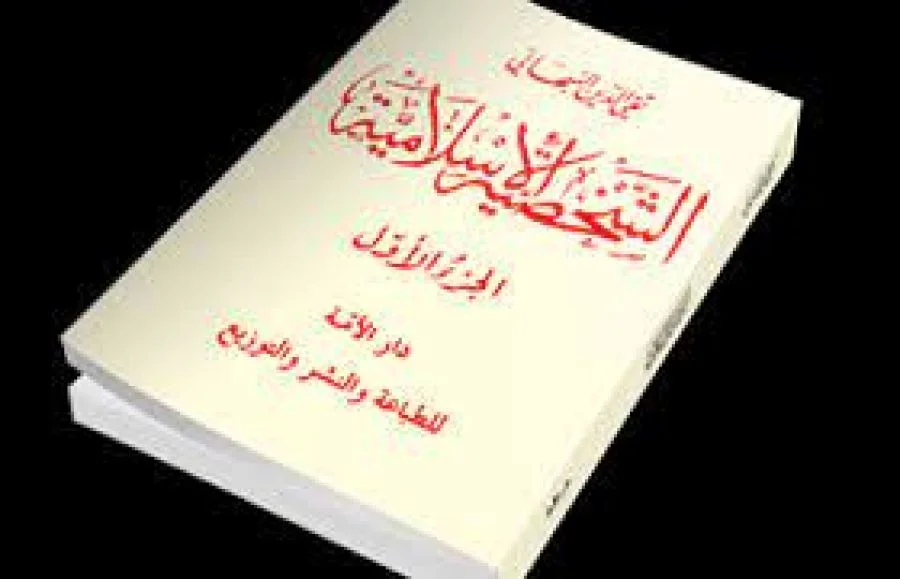
وقفات تأملية مع كتاب الشخصية الإسلامية - الجزء الأول  (ح 20)  نموذج للشخصية الإسلامية المعاصرة: الأستاذ محمد حسين عبد الله (رحمه الله)

الحمد لله، والصلاة والسلام على رسول الله، وآله وصحبه ومن والاه إلى يوم الدين، واجعلنا معهم، واحشرنا في زمرتهم برحمتك يا أرحم الراحمين. أما بعد: أيها المؤمنون: مستمعينا الكرام مستمعي إذاعة المكتب الإعلامي المركزي لحزب التحرير: السَّلَامُ عَلَيكُمْ وَرَحْـمَةُ اللهِ وبركاتُه، وَبَعْد: نُواصِلُ مَعَكُمْ حَلْقَاتِ كِتَابِنَا:"وقفات تأملية مع كتاب الشخصية الإسلامية - الجزء الأول". وَمَعَ الحَلْقَةِ العِشرِينَ، وَهِيَ بِعُنْوَانِ: "نموذج للشخصية الإسلامية المعاصرة".

0:00 0:00
Speed:
April 10, 2023

وقفات تأملية مع كتاب الشخصية الإسلامية - الجزء الأول (ح 20) نموذج للشخصية الإسلامية المعاصرة: الأستاذ محمد حسين عبد الله (رحمه الله)

وقفات تأملية مع كتاب الشخصية الإسلامية - الجزء الأول

(ح 20)

نموذج للشخصية الإسلامية المعاصرة: الأستاذ محمد حسين عبد الله (رحمه الله)

الحمد لله، والصلاة والسلام على رسول الله، وآله وصحبه ومن والاه إلى يوم الدين، واجعلنا معهم، واحشرنا في زمرتهم برحمتك يا أرحم الراحمين. أما بعد:

أيها المؤمنون:

مستمعينا الكرام مستمعي إذاعة المكتب الإعلامي المركزي لحزب التحرير:

السَّلَامُ عَلَيكُمْ وَرَحْـمَةُ اللهِ وبركاتُه، وَبَعْد: نُواصِلُ مَعَكُمْ حَلْقَاتِ كِتَابِنَا:"وقفات تأملية مع كتاب الشخصية الإسلامية - الجزء الأول". وَمَعَ الحَلْقَةِ العِشرِينَ، وَهِيَ بِعُنْوَانِ: "نموذج للشخصية الإسلامية المعاصرة".

يقول الشيخ تقي الدين النبهاني - رحمه الله -: "وهو حين يكون بطل جهاد يكون حليف محراب، وفي الوقت الذي يكون فيه سريًا يكون متواضعًا. ويجمع بين الإمارة والفقه، وبين التجارة والسياسة. وأسمى صفة من صفاته أنه عبد لله تعالى خالقه وبارئه. ولذلك تجده خاشعًا في صلاته، معرضًا عن لغو القول، مؤديًا لزكاته، غاضَّا لبصره، حافظًا لأماناته، وفيًا بعهده، منجزًا وعده، مجاهدًا في سبيل الله. هذا هو المسلم، وهذا هو المؤمن، وهذه هي الشخصية الإسلامية التي يكوّنها الإسلام، ويجعل الإنسان بها خير بني الإنسان".

ونقول راجين من الله عفوه ومغفرته ورضوانه وجنته: اللهم اغننا بالعلم، وزينا بالحلم، وأكرمنا بالتقوى، وجملنا بالعافية.

يَا مَن لَهُ عَنَتِ الوُجُوهُ بِأسْرِهَا ... رَغَبــًا وَكُـلُّ الكَائِنَــاتِ تُوَحِّــدُ

أنتَ الإلـهُ الواحِـدُ الحَـقُّ الذي ... كــلُّ القلــوبِ لَـهُ تُقِرُّ وَتَشْــهَدُ

وصلى الله وسلم وبارك على عين الرحمة وينبوع الحكمة، وآية الرسالة، ونور الأبصار والبصائر، سيدنا محـمد وعلى آله وصحبه أجمعين، وبعد: المسلم حين يعرف خالقه حق المعرفة، فإنه يعظِّمه تعظيم محبة وإجلال، ويبدأ البحث عن كل طريق توصل إلى رضاه مهما بلغ طولها، أو مشقاتها غير آبهٍ لدم يسيل منه، أو مال يضيع تحصيله، أو دنيا تناديه بزخرفها. وفيما يأتي نعرض على أسماعكم نموذجا للشخصية الإسلامية المعاصرة:

الأستاذ محمد حسين عبد الله - أبو سفيان – رحمه الله.

لمن لا يعرف الأستاذ محمد حسين عبد الله هو أستاذي في المرحلة الابتدائية، تلقيت عنه دروسي في إحدى سنوات الدراسة في ستينات القرن الماضي، وذلك في مدارس وكالة الغوث الكائنة في مخيم الوحدات الذي كان يسكنه اللاجئون الذين لجئوا من الضفة الغربية في فلسطين إلى شرق الأردن بعد أن احتل اليهود أرضهم في الحرب الصورية المصطنعة التي اصطنعها حكام دويلات سايكس وبيكو من أجل تسليمها لهم.

ودارت الأيام، وكبرت، وشاءت إرادة الله تعالى أن حملت الدعوة مع شباب حزب التحرير، وتم اعتقالي، وسجني في سجن المحطة سنة شمسية كاملة أول مرة، وكان ذلك عام ثلاثة وثمانين وتسعمائة وألف ميلادية، وهناك التقيت أستاذي الفاضل أبا سفيان، الذي كان يعقد في السجن حلقة يدرس فيها الشباب في كتاب الشخصية الإسلامية - الجزء الثالث المتعلق ببحث أصول الفقه. سألته قائلا: أنا أحد طلابك. ترى هل تذكرني؟ قال لي: نعم أذكرك، فأنا أحتفظ في سجل خاص لدي، فيه أسماء الطلاب الذين درَّست لهم على مدار السنين وأذكر أنك واحد منهم. قلت له: أريد أن ألتحق بدروسك في أصول الفقه. فقال لي: هذا العلم صعب عليك لأنك لم تكن معنا منذ البداية ونحن قطعنا فيه شوطا كبيرا، وإذا حضرت معنا سوف تتعبنا بأسئلتك، وسوف تجبرنا للعودة في البحث إلى الوراء. قلت له: لا تهتم لهذا الموضوع فأنا متخصص في مادة اللغة العربية وأفهم مقصود الكلام في يسر وسهولة. ولن أسألك. قال لي: أنا لا أمنعك، ولكن ستذكر ما قلته لك. وفعلا التحقت بدروس أستاذنا في أصول الفقه، واستمعت إلى كلماتهم ومصطلحات هذا العلم، وكنت لا أفهم كثيرًا منها، وأريد أن أسأل، لكنني امتنعت عن ذلك وفاء مني بوعدي له.

الأستاذ محمد حسين عبد الله هو صاحب كتاب: "الواضح في أصول الفقه".وصاحب كتاب: "الطريقة الشرعية لاستئناف الحياة الإسلامية". وصاحب مجموعة كتيبات تبحث في الغرائز والحاجات العضوية سماها: "مفاهيم إسلامية" وقد صممت له غلافها بالخط الكوفي الجميل. وأذكر أنه بعد أن أنهى تأليفها وهو معنا في السجن استشار الشباب في اختيار عنوان مناسب لها فاقترح عليه أحد الشباب واسمه (موسى) أن يطلق عليها اسم: "الوكائز في شرح الغرائز". فلما سمع أستاذنا هذا العنوان علق عليه بقوله تعالى: (فوكزه موسى فقضى عليه) فضحكنا ملء أشداقنا!!

والأستاذ محمد حسين عبد الله خبير من كبار خبراء التعليم، ومن ذوي الخبرة العالية في التدريس، وتأليف المناهج المدرسية، وإن أمراء حزب التحرير الثلاثة بما فيهم أميرنا الحالي عطاء بن خليل أبو الرشتة - حفظه الله وأعزه ونصره - يعرفون له قدره، ويعلمون ما لدى شباب الحزب من طاقات، وقدرات، وإبداعات، ومن المؤكد أنهم يوظفون هذه الطاقات، والقدرات، والإبداعات على الوجه الأكمل والأفضل بما يحقق الخير للإسلام والمسلمين، وعند قيام دولة الخلافة قريبا بإذن الله تعالى سيظهر هذا الخير للناس أجمعين، وسيعلم العالم كله أن حزب التحرير لم يكن نائمًا ولا غافلا، ولا خاملًا متكاسلًا، بل كان يعمل، ويعمل لله تعالى بصمت، وأن ثمة جنودٌ مجهولون منهم أستاذنا الفاضل - حفظه الله وكحل ناظريه برؤية راية دولة الخلافة خفاقة عالية في جو السماء - إنه ولي ذلك والقادر عليه، وهو سبحانه نعم المولى ونعم النصير!! 

والأستاذ محمد حسين عبد الله من الرعيل الأول الذين كلفهم الشيخ تقي الدين النبهاني بالذهاب إلى سوريا من أجل القيام بأعمال الدعوة، وقد تعرض هناك للاعتقال، والأذى، والتعذيب الشديد، تعالوا بنا نستمع إليه وهو يحدثنا عما لاقاه من جلاوزة الحكام، يقول - حفظه الله وأمد في عمره -: 

"من الأحداث المؤلمة أنهم منعونا من الصلاة، وصاروا يراقبوننا داخل الزنازين، فإذا ما رأوا أحدا يصلي كانوا يدخلون عليه ويمنعونه من الصلاة. أما أنا فقد قررت أن أصلى مهما بذلوا من محاولات في منعي من أدائها!

كنت ذات مرة أؤدي صلاة المغرب، وأنا بين الجنود يحيطون بي يريدون منعي من الصلاة إذ مر مدير الفرع وهو رجل شركسي من آل الأحمد، يكُنى بأبي أحمد. تقدم نحوي وقال لي: "اترك الصلاة" فلم أستجب له، ولم أطعه، بل بقيت أصلي حتى أتممت صلاتي حتى وصلت إلى الجلوس الأخير لقراءة التشهد، فلم يمهلني كي أتم صلاتي، فما كان منه إلا أن دخل عليَّ في زنزانتي، وما إن أنهيت صلاتي وسلمت على اليمين انهال علي، وبدأ يضربني بقوة وعنف، ثم أخذني إلى الإدارة، وهناك صار يضربني بكل شيء يصل إلى يده من الأغراض الموجودة لديه في غرفة الإدارة، ولم من تلك الأغراض شيء من كرسي، أو طاولة، أو أداة من أدوات المكتب إلا حمله بيديه، وضربني به!! حينها دعوت الله قائلًا: "اللهم انتقم من الظالمين"، وبعد ربع ساعة تقريبًا سقط مدير الفرع أبو أحمد على الأرض مغشيًّا عليه!!

جاء العناصر من الأمن وتحلقوا حوله، وحركوه. قالوا: "لقد قتلت المدير". ثم أخذوني إلى الزنزانة الانفرادية، وتم نقله إلى المستشفى، فعلمت من العناصر في الليلة نفسها أنه قد أصيب شقه الأيمن بشلل نصفي، شمل يده اليمنى، ورجله اليمنى أيضًا.

وفي اليوم الثاني استدعاني مدير الفرع واسمه: "فريد النُّقُل" وقال لي: سيتم نقلك إلى زنزانة جماعية يوجد فيها أربع أو خمسة سجناء عراقيين من آل صدام. نقلوني عندهم، وفي اليوم نفسه ذهبت لكي أتوضأ، فجاء عنصر من عناصرهم، وقال لي: أنت ممنوع من الوضوء، ومن الصلاة. قلت له: بل سأتوضأ وأصلي، وتوضأت وهو يضربني، ثم صليت الظهر في الزنزانة الجماعية، وصرت منذ ذلك الوقت لست ممنوعا من الصلاة؛ لأن المدير قال لي: أنت لست ممنوعا من الصلاة، صل إن شئت، لا شيء عليك!! أديت صلاة الظهر. وعندما جاء وقت العصر جاء تليفون لهذا العنصر الذي منعني من الوضوء يحمل إليه أمرا أن يحضر إلى قريته، أعاد الاتصال بالعناصر تليفونيا ليعلم ما الخبر، فأخبروه بما حصل. فقال لي: ها أنت أيضًا قتلت ابن العنصر الذي كُنيتُهُ أبو الهيثم!! ألا يكفيك أنك تسببت بالشلل لأطراف المدير؟؟ قلت لهم: كيف ذلك؟؟ قالوا: إنك تدعو عليهم. قلت: أنا أدعو فأقول: "اللهم انتقم من الظالمين!!". فإن كنتم ظالمين، فإن دعوتي تصيبكم!! فقال لي: إن ابن العنصر الوحيد، وهو في قريته حمص، بينما كان يقطع الطريق داسته سيارة فقتلته!! وبعدها تركوني أتوضأ، وأصلي بسهولة وقتما أشاء، وكيفما أشاء دون أي منع، أو أي اعتراض، وأبقوا على منع باقي السجناء من الوضوء ومن الصلاة!!"

اللهم انتقم من الظالمين في كل وقت وحين!! فهل يتعظ الحكام وجلاوزتهم من كلام أستاذنا أبي سفيان قبل أن يأتيهم أمر الله، وتصيبهم من الله قارعة؟؟!! قال تعالى: (وَلَا يَزَالُ الَّذِينَ كَفَرُوا تُصِيبُهُم بِمَا صَنَعُوا قَارِعَةٌ أَوْ تَحُلُّ قَرِيبًا مِّن دَارِهِمْ حَتَّىٰ يَأْتِيَ وَعْدُ اللَّهِ إِنَّ اللَّهَ لَا يُخْلِفُ الْمِيعَادَ). ( ‎الرعد٣١)

 وقال تعالى: (أَوَلَا يَرَوْنَ أَنَّهُمْ يُفْتَنُونَ فِي كُلِّ عَامٍ مَّرَّةً أَوْ مَرَّتَيْنِ ثُمَّ لَا يَتُوبُونَ وَلَا هُمْ يَذَّكَّرُونَ). ‎(التوبة١٢٦) ترى هل يتوبون قبل أن يمن الله على عباده المستضعفين ويمكن لهم في الأرض ويجعلهم أئمة ويجعلهم الوارثين لسلطانهم الذي سيسلبه الله من الطغاة المجرمين؟؟

قال تعالى: (وَنُرِيدُ أَن نَّمُنَّ عَلَى الَّذِينَ اسْتُضْعِفُوا فِي الْأَرْضِ وَنَجْعَلَهُمْ أَئِمَّةً وَنَجْعَلَهُمُ الْوَارِثِينَ ‎(٥) ‏وَنُمَكِّنَ لَهُمْ فِي الْأَرْضِ وَنُرِيَ فِرْعَوْنَ وَهَامَانَ وَجُنُودَهُمَا مِنْهُم مَّا كَانُوا يَحْذَرُونَ). ( ‎القصص٦). وقال تعالى: (وَيَقُولُونَ مَتَىٰ هُوَ قُلْ عَسَىٰ أَن يَكُونَ قَرِيبًا). ‎(الإسراء ٥١)        

أيها المؤمنون:

نَكتَفي بِهذا القَدْرِ في هَذِه الحَلْقة، مَوعِدُنَا مَعَكُمْ في الحَلْقةِ القادِمَةِ إنْ شَاءَ اللهُ تَعَالَى، فَإِلَى ذَلِكَ الحِينِ وَإِلَى أَنْ نَلْقَاكُمْ وَدَائِمًا، نَترُكُكُم في عنايةِ اللهِ وحفظِهِ وأمنِهِ، سَائِلِينَ الْمَولَى تَبَارَكَ وَتَعَالَى أَن يُعزَّنا بِالإسلام، وَأنْ يُعزَّ الإسلام بِنَا، وَأن يُكرِمَنا بِنَصرِه، وَأن يُقِرَّ أعيُننَا بِقيَامِ دَولَةِ الخِلافَةِ الرَّاشِدَةِ الثَّانِيَةِ عَلَى مِنْهَاجِ النُّبُوَّةِ فِي القَريبِ العَاجِلِ، وَأَن يَجعَلَنا مِن جُنُودِهَا وَشُهُودِهَا وَشُهَدَائِها، إنهُ وَليُّ ذلكَ وَالقَادِرُ عَلَيهِ. نَشكُرُكُم عَلى حُسنِ استِمَاعِكُم، وَالسَّلامُ عَليكُم وَرَحمَةُ اللهِ وَبَركَاتُه.

More from null

Reflections on the book: "Elements of the Islamic Psyche" - Episode Fifteen

Reflections on the book: "Elements of the Islamic Psyche"

Prepared by Professor Muhammad Ahmad Al-Nadi

Episode Fifteen

Praise be to God, Lord of the Worlds, and prayers and peace be upon the Imam of the pious, the Master of the Messengers, sent as a mercy to the worlds, our master Muhammad and all his family and companions. Make us with them, and gather us in their company, by your mercy, O Most Merciful of the merciful.

Dear listeners, listeners of the Media Office Radio of Hizb ut-Tahrir:

Peace, mercy, and blessings of God be upon you. In this episode, we continue our reflections on the book: "Elements of the Islamic Psyche." In order to build the Islamic personality, with attention to the Islamic mentality and the Islamic psyche, we say, with God's help: 

O Muslims:

We said in the last episode: It is also Sunnah for a Muslim to supplicate for his brother behind his back, just as it is Sunnah for him to ask his brother to supplicate for him. It is Sunnah for him to visit him, sit with him, keep in touch with him, and share with him for the sake of God after loving him. It is recommended for a Muslim to meet his brother with what he likes to please him with that. We add in this episode and say: It is recommended for a Muslim to give gifts to his brother, according to the hadith of Abu Hurairah, which was reported by Bukhari in Al-Adab Al-Mufrad, Abu Ya'la in his Musnad, Al-Nasa'i in Al-Kuna, and Ibn Abd Al-Barr in Al-Tamhid. Al-Iraqi said: The chain of narrators is good, and Ibn Hajar said in Al-Talkhis Al-Habir: Its chain of narrators is good, he said: The Messenger of God, may God bless him and grant him peace, said: "Exchange gifts, you will love one another." 

It is also recommended for him to accept his gift and reward him for it, according to the hadith of Aisha in Bukhari, who said: "The Messenger of God, may God bless him and grant him peace, used to accept gifts and reward for them."

And the hadith of Ibn Umar in Ahmad, Abu Dawood, and Al-Nasa'i, who said: The Messenger of God, may God bless him and grant him peace, said: "Whoever seeks refuge in God, grant him refuge, and whoever asks you in the name of God, give him, and whoever seeks protection in God, protect him, and whoever does you a favor, reward him, and if you do not find anything, then supplicate for him until you know that you have rewarded him."

This is between brothers, and it has nothing to do with the gifts of the subjects to the rulers, as they are like bribery, which is forbidden. And one of the rewards is to say: May God reward you with good. 

Al-Tirmidhi narrated from Usama bin Zaid, may God be pleased with them both, and said it is good and authentic, he said: The Messenger of God, may God bless him and grant him peace, said: "Whoever has a favor done to him and says to the one who did it: "May God reward you with good," then he has exaggerated in the praise." And praise is gratitude, i.e., reward, especially from someone who finds nothing else, as Ibn Hibban narrated in his Sahih from Jabir bin Abdullah, who said: I heard the Prophet, may God bless him and grant him peace, say: "Whoever is given a favor and does not find anything better than praise for it, then he has thanked him, and whoever conceals it has disbelieved, and whoever adorns himself with falsehood is like one who wears two garments of falsehood." And with a good chain of narrators, Al-Tirmidhi narrated from Jabir bin Abdullah, who said: The Messenger of God, may God bless him and grant him peace, said: "Whoever is given a gift and finds something to repay it with, let him repay it, and if he does not find anything, let him praise it, for whoever praises it has thanked him, and whoever conceals it has disbelieved, and whoever adorns himself with what he has not been given is like one who wears two garments of falsehood." And disbelieving in the gift means concealing and covering it up. 

With an authentic chain of narrators, Abu Dawood and Al-Nasa'i narrated from Anas, who said: "The Muhajirun said, "O Messenger of God, the Ansar have taken all the reward, we have not seen a people who are better at giving a lot, nor better at consoling in a little than them, and they have spared us the burden," he said: "Do you not praise them for it and supplicate for them?" They said: "Yes," he said: "That is for that." 

A Muslim should be grateful for the little as he is grateful for the much, and be grateful to the people who do him good, as Abdullah bin Ahmad narrated in his additions with a good chain of narrators from Al-Nu'man bin Bashir, who said: The Messenger of God, may God bless him and grant him peace, said: "Whoever is not grateful for the little, is not grateful for the much, and whoever is not grateful to the people, is not grateful to God, and talking about God's blessings is gratitude, and leaving it is disbelief, and the group is mercy, and division is torment."

It is Sunnah to intercede for one's brother for a benefit of righteousness or to facilitate a difficulty, as Al-Bukhari narrated from Abu Musa, who said: "The Prophet, may God bless him and grant him peace, was sitting when a man came asking, or seeking a need, he turned his face to us and said, "Intercede, so that you may be rewarded, and God will decree on the tongue of His Prophet what He wills."

And as Muslim narrated from Ibn Umar from the Prophet, may God bless him and grant him peace, who said: "Whoever is a connection for his Muslim brother to a person of authority for a benefit of righteousness or to facilitate a difficulty, will be helped to cross the Path on the day when feet slip."

It is also recommended for a Muslim to defend the honor of his brother behind his back, as Al-Tirmidhi narrated and said this is a good hadith from Abu Al-Darda' from the Prophet, may God bless him and grant him peace, who said: "Whoever defends the honor of his brother, God will ward off the fire from his face on the Day of Resurrection." This hadith of Abu Al-Darda' was narrated by Ahmad, and he said its chain of narrators is good, and Al-Haythami said the same. 

And what Ishaq bin Rahwayh narrated from Asma bint Yazid, who said: I heard the Messenger of God, may God bless him and grant him peace, say: "Whoever defends the honor of his brother behind his back, it is a right upon God to free him from the Fire." 

Al-Quda'i narrated in Musnad al-Shihab from Anas, who said: The Messenger of God, may God bless him and grant him peace, said: "Whoever supports his brother behind his back, God will support him in this world and the hereafter." Al-Quda'i also narrated it from Imran bin Hussein with the addition: "And he is able to support him." And as Abu Dawood and Al-Bukhari narrated in Al-Adab Al-Mufrad, and Al-Zain Al-Iraqi said: Its chain of narrators is good from Abu Hurairah that the Messenger of God, may God bless him and grant him peace, said: "The believer is the mirror of the believer, and the believer is the brother of the believer, from wherever he meets him, he protects him from his loss and surrounds him from behind."

O Muslims:

You have learned from the noble Prophetic hadiths mentioned in this episode and the previous episode that it is Sunnah for whoever loves a brother for the sake of God to inform him and let him know that he loves him. It is also Sunnah for a Muslim to supplicate for his brother behind his back. It is also Sunnah for him to ask his brother to supplicate for him. It is Sunnah for him to visit him, sit with him, keep in touch with him, and share with him for the sake of God after loving him. It is recommended for a Muslim to meet his brother with what he likes to please him with that. It is recommended for a Muslim to give gifts to his brother. It is also recommended for him to accept his gift and reward him for it.

A Muslim should be grateful to the people who do him good. It is Sunnah to intercede for one's brother for a benefit of righteousness or to facilitate a difficulty. It is also recommended for him to defend the honor of his brother behind his back. So why don't we adhere to these Sharia rulings and all the rulings of Islam, so that we may be as our Lord loves and is pleased with, so that He may change what is within us, improve our conditions, and we may win the best of this world and the hereafter?! 

Dear listeners: Listeners of the Media Office Radio of Hizb ut-Tahrir: 

We will suffice with this amount in this episode, with the understanding that we will complete our reflections in the coming episodes, God willing. Until that time and until we meet you, we leave you in God's care, protection, and security. We thank you for your kind listening, and peace, mercy, and blessings of God be upon you. 

Know, O Muslims! - Episode 15
November 14, 2025

Know, O Muslims! - Episode 15

Know, O Muslims!

Episode 15

Among the assisting bodies of the Khilafah state are the ministers whom the Caliph appoints to assist him in bearing the burdens of the Khilafah and fulfilling its responsibilities. The multitude of the Khilafah's burdens, especially as the Khilafah state grows and expands, makes it difficult for the Caliph to bear them alone, so he needs someone to help him bear them to fulfill its responsibilities. However, it is not correct to call them ministers without restriction, so that the meaning of the minister in Islam, which is in the sense of an assistant, is not confused with the meaning of the minister in the current man-made systems based on democratic, capitalist, secular, or other systems that we witness in the present era.